All About Seabirds
Seabirds Spend Their Lives At Sea
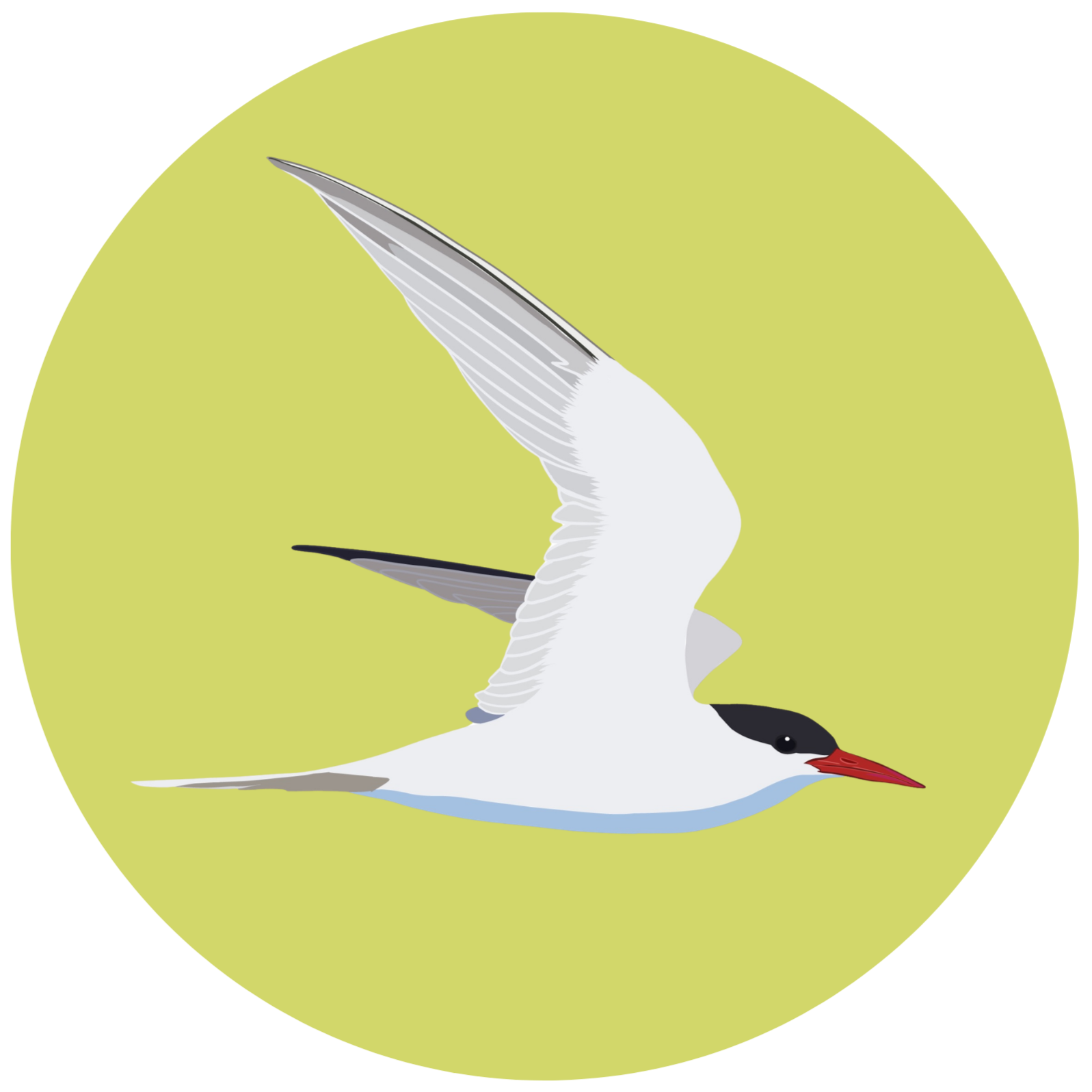
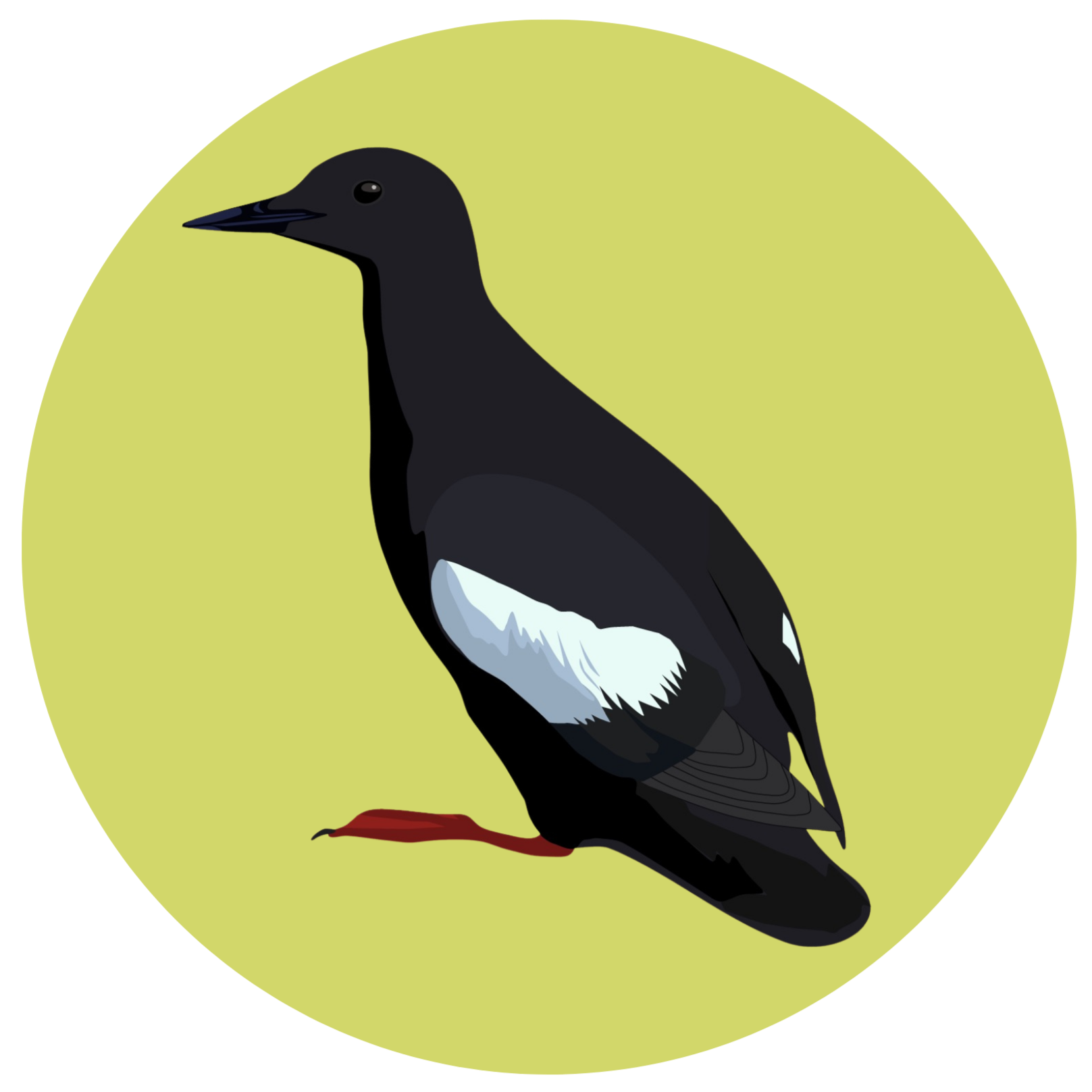
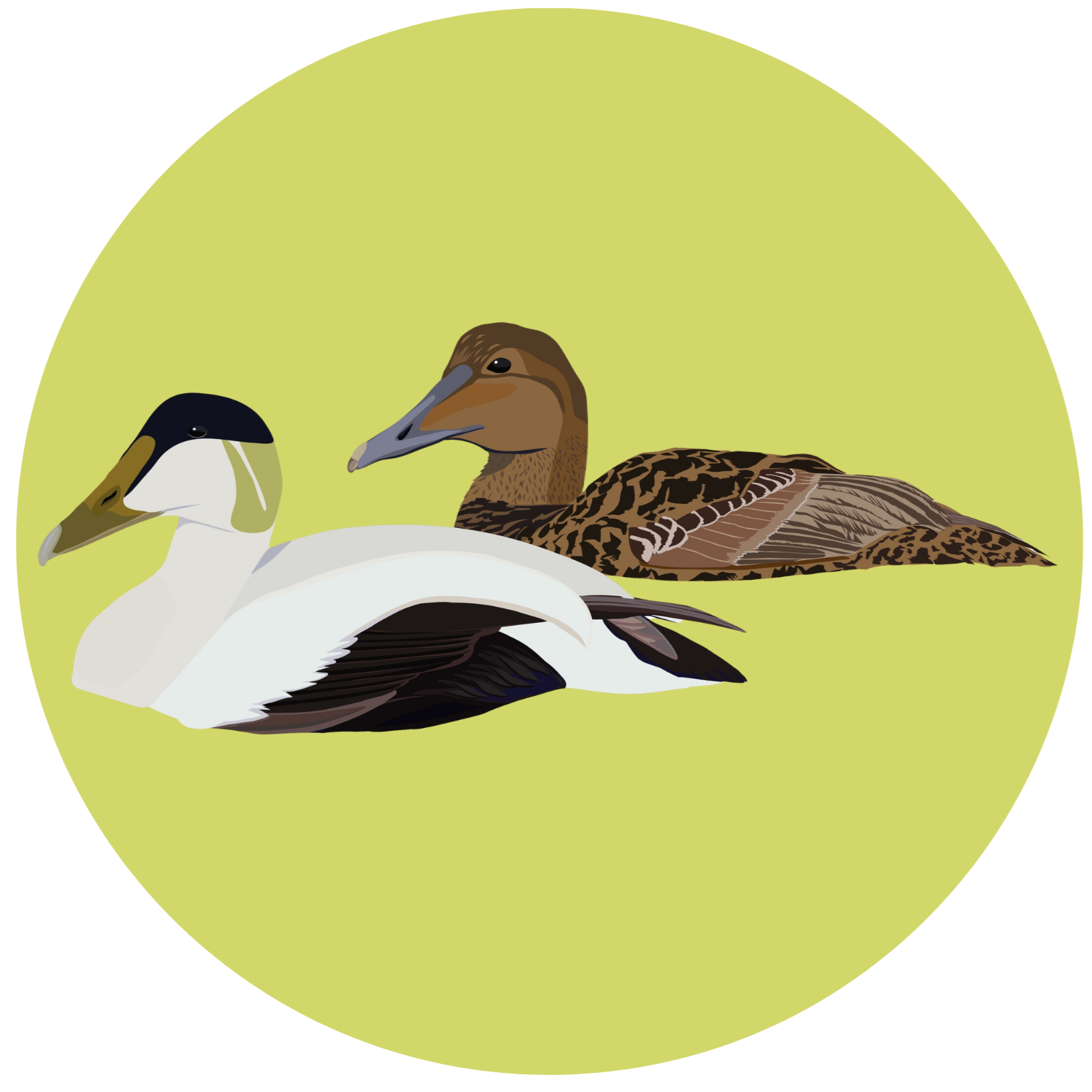
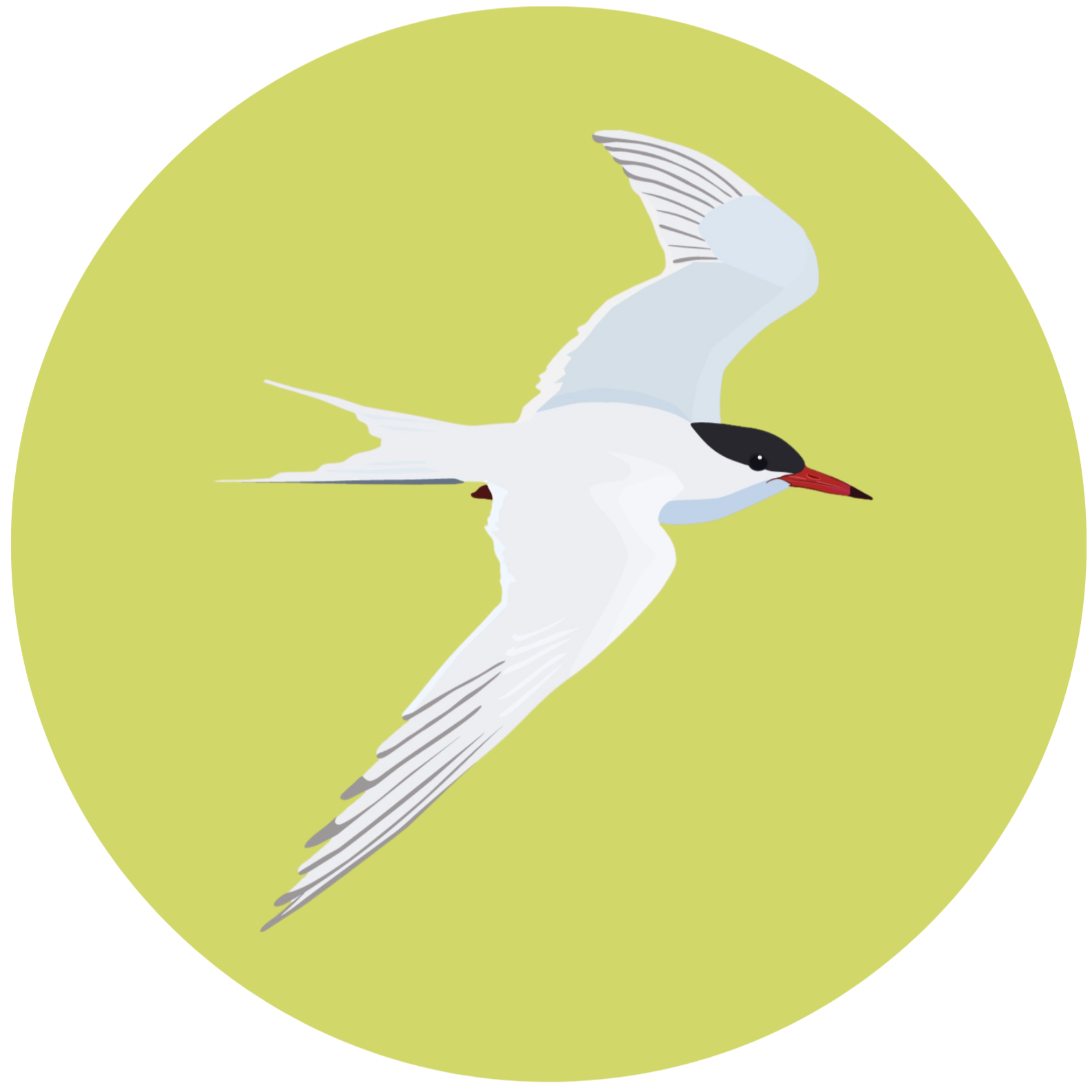
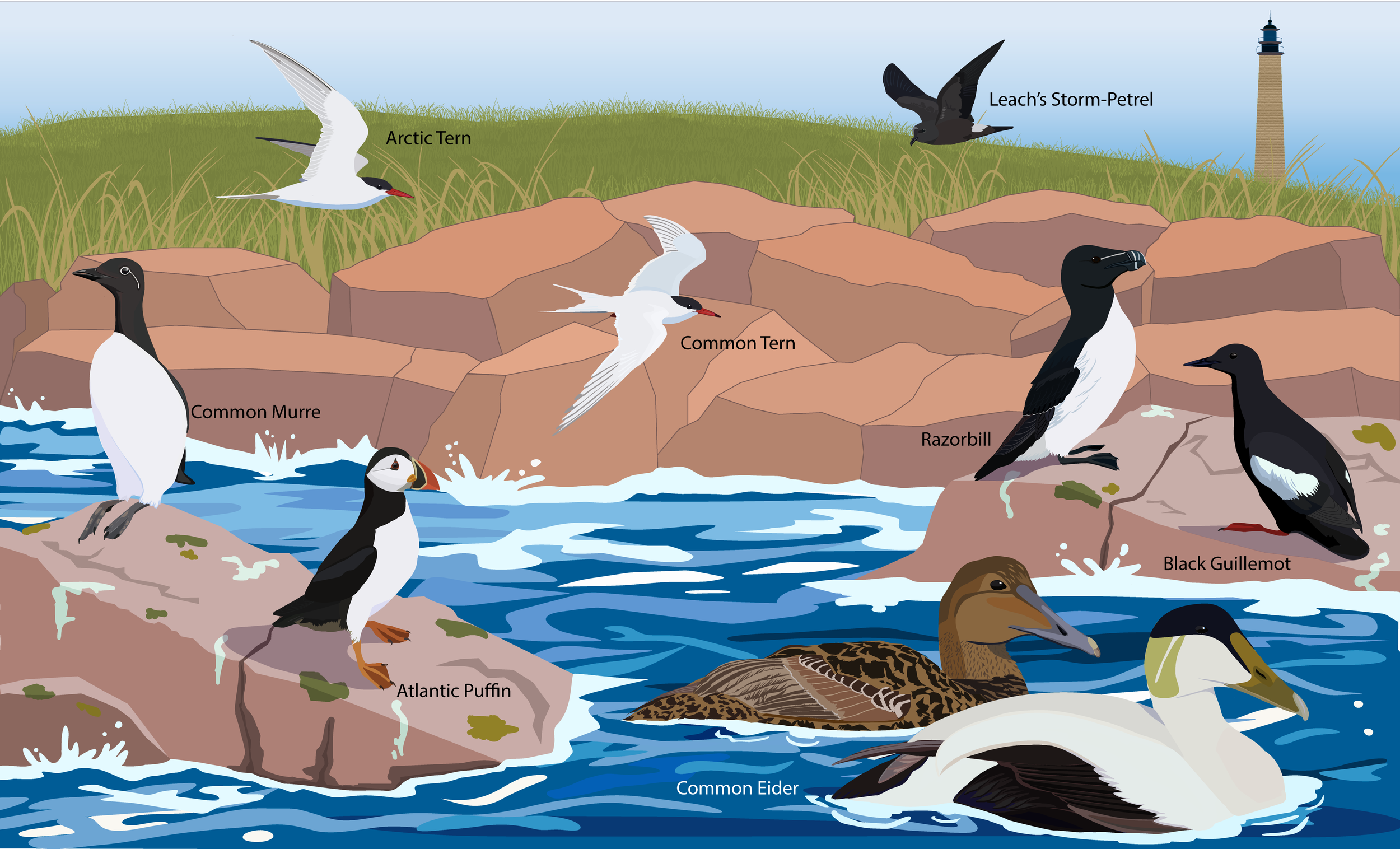
Seabirds such as puffins, murres, guillemots, and terns, are pelagic. This means that they spend the majority of their life on the open ocean, only coming to shore to breed. These birds will actually sleep floating atop the sea! They can also drink and process salty ocean water just as easily as fresh water. In the case of Atlantic Puffins, they actually spend their first 2-3 years at sea, before they are ready to find a mate and breed.
Breeding Plumage
From a distance, puffins, murres, and guillemots are often mistaken for penguins, due to their sleek black and white plumages. However, this beautiful and distinguishing sharp look that they are known for is only their breeding plumage. Breeding plumage is a temporary, often eye-catching set of feathers that many birds develop during breeding season when they are ready to start attracting mates. From the fall through the spring, auks and terns have a more mottled black, white, and gray look after molting breeding feathers.
Cold Feet
Seabirds spend most of their life in cold water. Birds are able to withstand near freezing temperatures in their feet without suffering damage (as humans do when frostbitten) because their feet contain relatively little muscle or nerve tissue. To withstand low temperatures, birds have developed an ability to maintain their core warmth by reducing heat expenditure in their feet. This adaptation, called a counter current heat exchange system, sends warm blood from the core to the feet, while cold blood travels back up into the core.
Salt Glands
Birds that primarily inhabit marine environments have developed the ability to excrete excess salt through the salt glands in their heads. This adaptation allows seabirds and many shorebirds to drink saltwater in quantities that would be deadly to human beings. It also allows marine birds to consume extremely salty prey. The salt glands, which are located above the bird’s eye, function much like a human kidney, drawing the excess salt from the bird’s bloodstream. The saline solution is then excreted through the nostril. Some birds actually have grooves along their beak to allow the solution to run freely.
An Uncertain Future
Seabirds are especially threatened by the warming and rising of the ocean. Since 1950, over 300 million seabirds have died: this represents a 70% population decrease. Rising sea levels destroy nesting locations, and floods threaten the eggs that are laid. Rising temperatures make the ocean more acidic and less oxygenated, reducing the number of forage fish that seabirds rely upon to survive and feed their young. Furthermore, overfishing continues to devastate the marine ecosystem.
The Gulf of Maine is one of the fastest-warming bodies of water in the world.
What You Can Do to Help
While the effects of climate change in Maine are already being felt, there is still time to take action to mitigate these impacts. Here are a few small things you can do to help:
Choose seafood that is sustainably caught.
Reduce your carbon footprint by driving less, recycling more, and using energy-efficient appliances.
Vote for candidates who prioritize climate change mitigation and adaptation efforts.
Learn More