
All About Seabirds / Razorbill
Razorbill
Alca torda
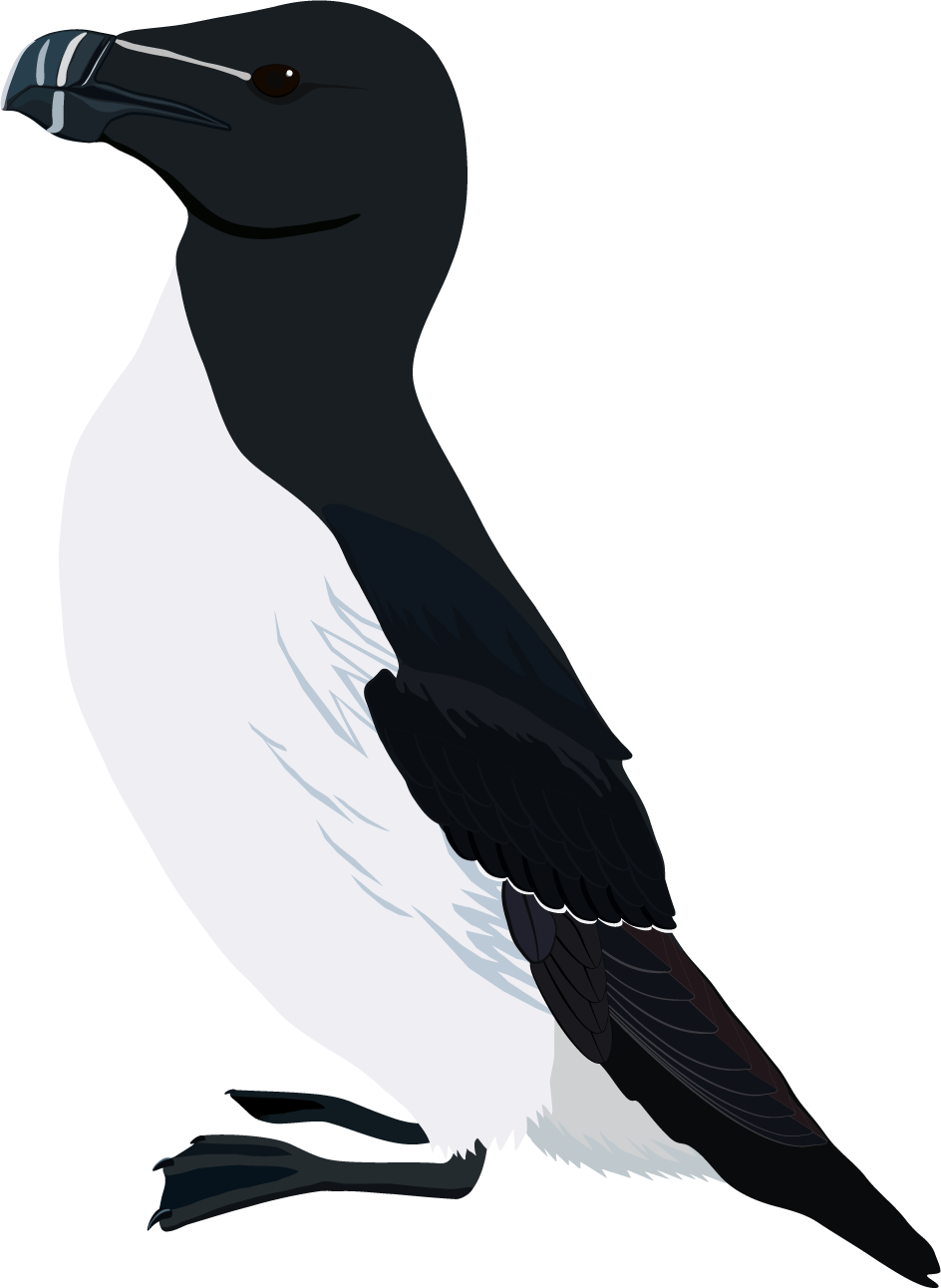
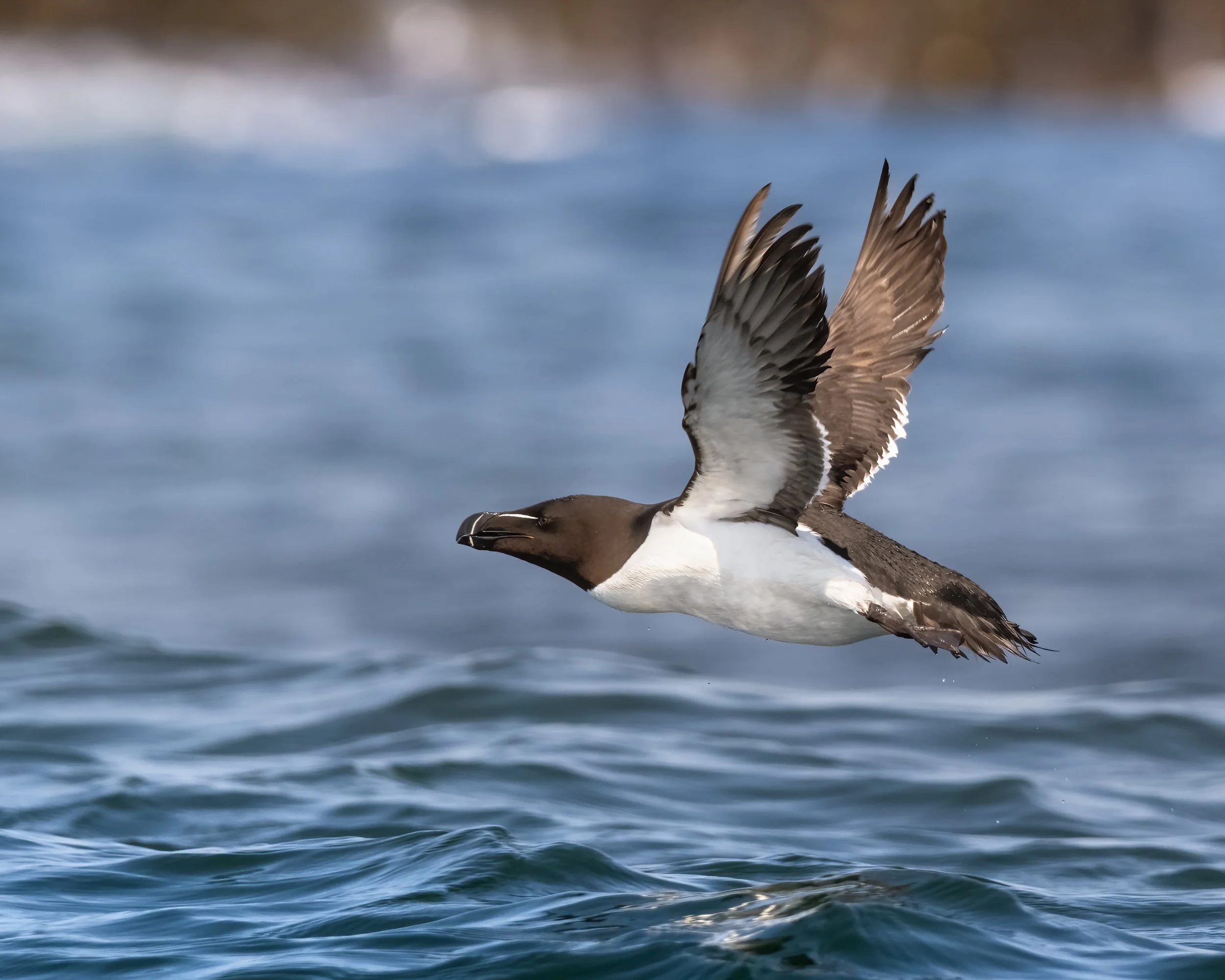
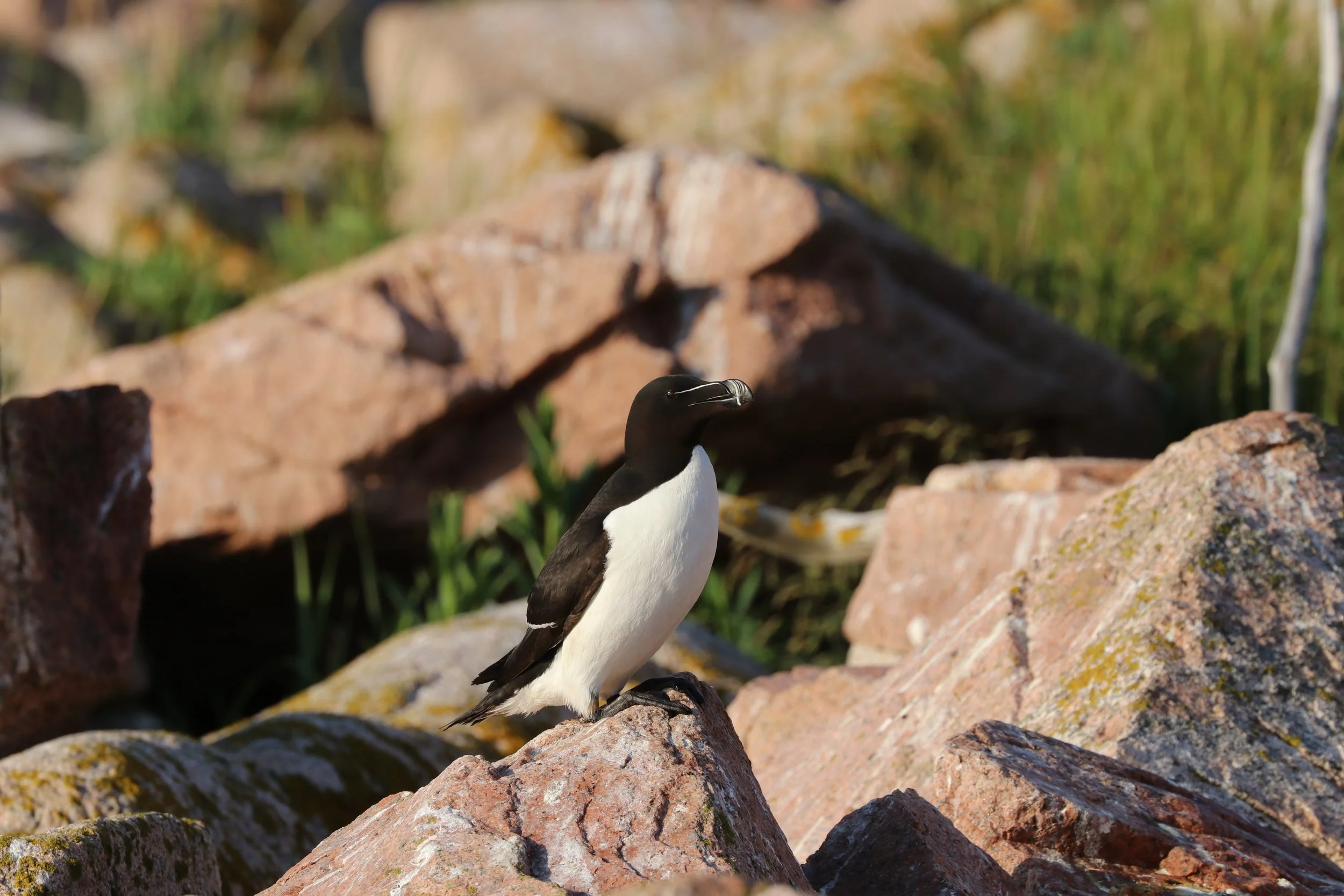
The Razorbill is a small colonial seabird that can be found along the coast of Maine. They are easily identified by their black and white plumage and their distinctive “razor-like” bill. Razorbills are excellent swimmers and divers and can often be seen feeding in the Gulf of Maine’s coastal waters.
Razorbills Can Fly Underwater
Like their close relative, the Atlantic Puffin, Razorbills use their wings to “fly” through the water and their feet to steer in pursuit of their prey. They can propel themselves in short bursts, doing most of their hunting 20-30 feet below the surface to catch fish and other small marine creatures.
Nesting Parents
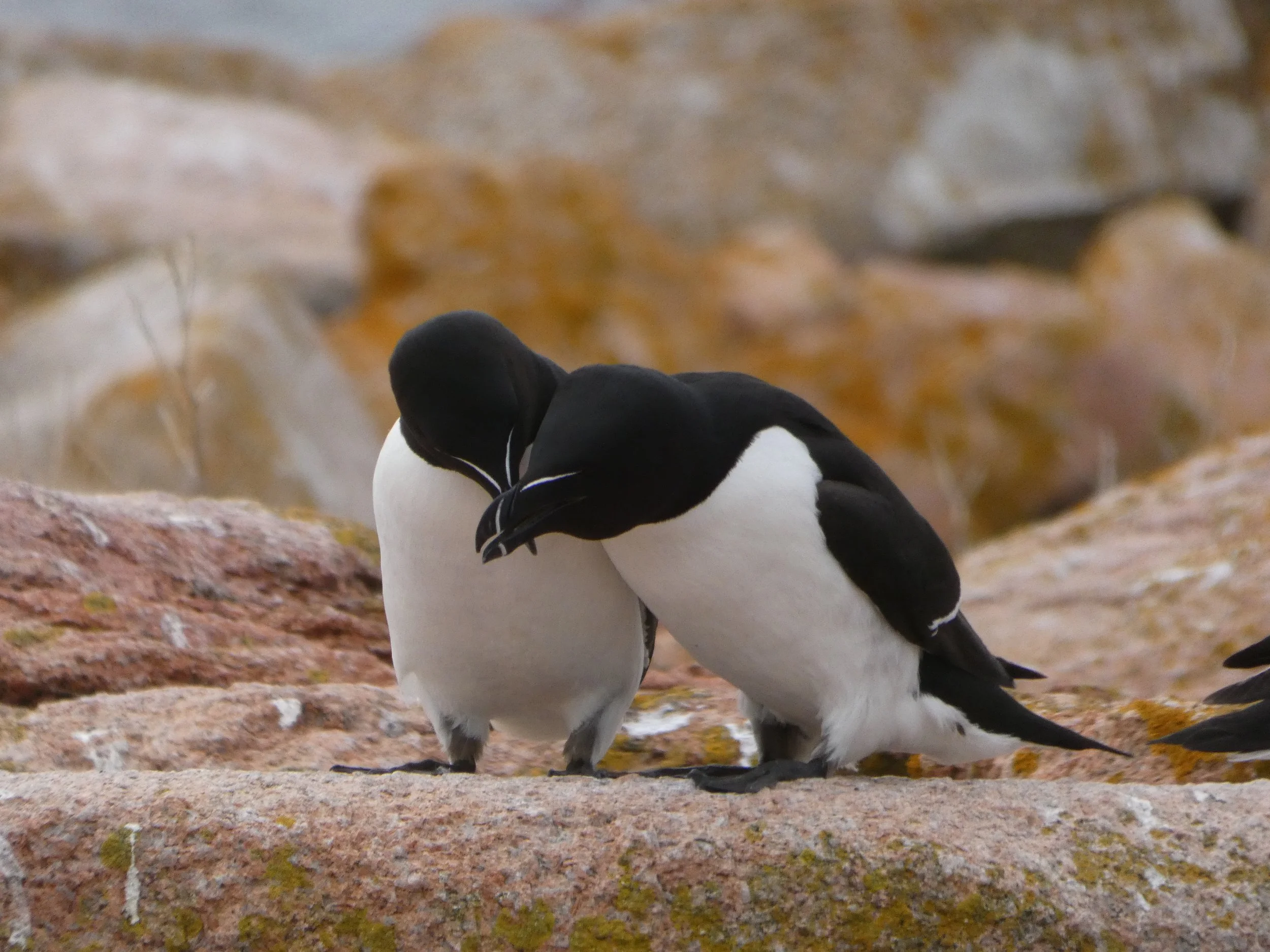
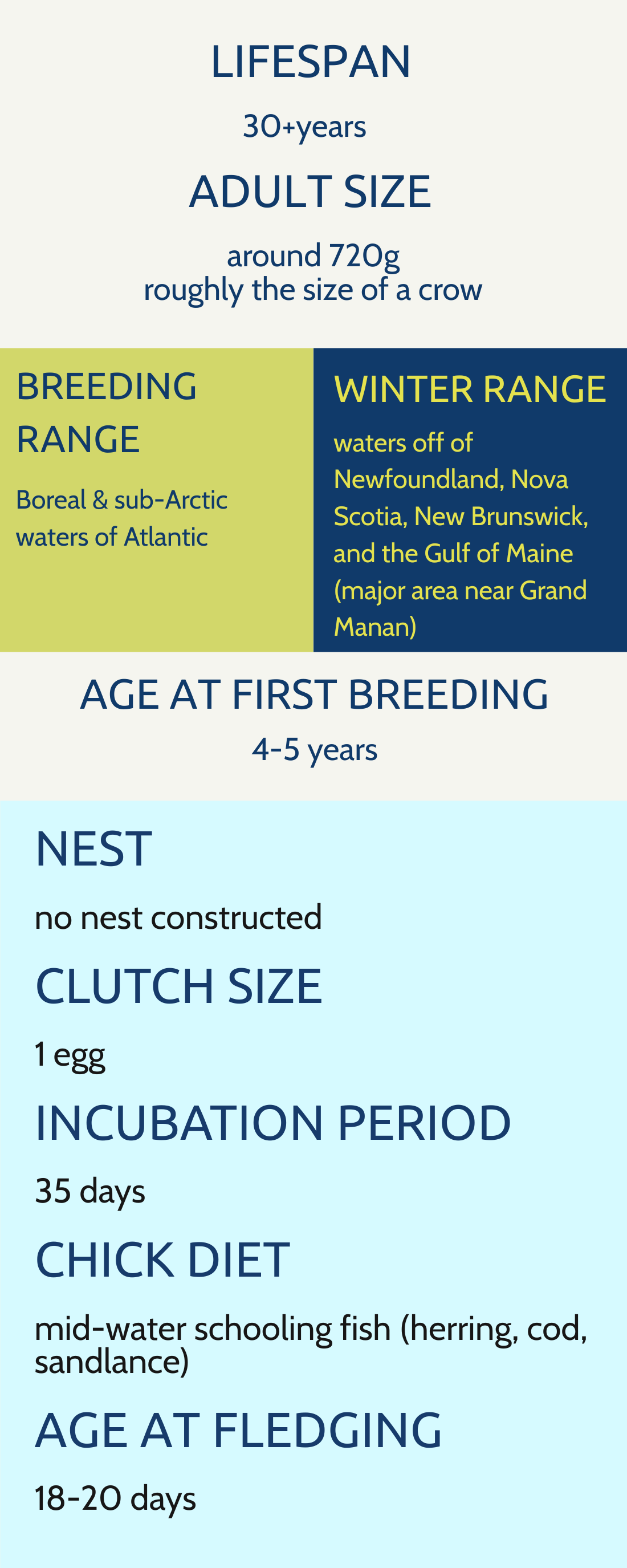
Razorbills form monogamous relationships, and pairs typically mate for life. The importance of this mating is demonstrated in their habit of spending their first breeding season attempting courtship. Razorbill pairs typically establish their nests on steep coastal cliffs. However, in Maine steep cliffs are somewhat limited and most Razorbills nest in rocky burrows or crevasses on offshore granite islands. The female typically lays a single eggs, and parents take equal turns incubating the eggs.
Leaving the Nest is a Leap of Faith
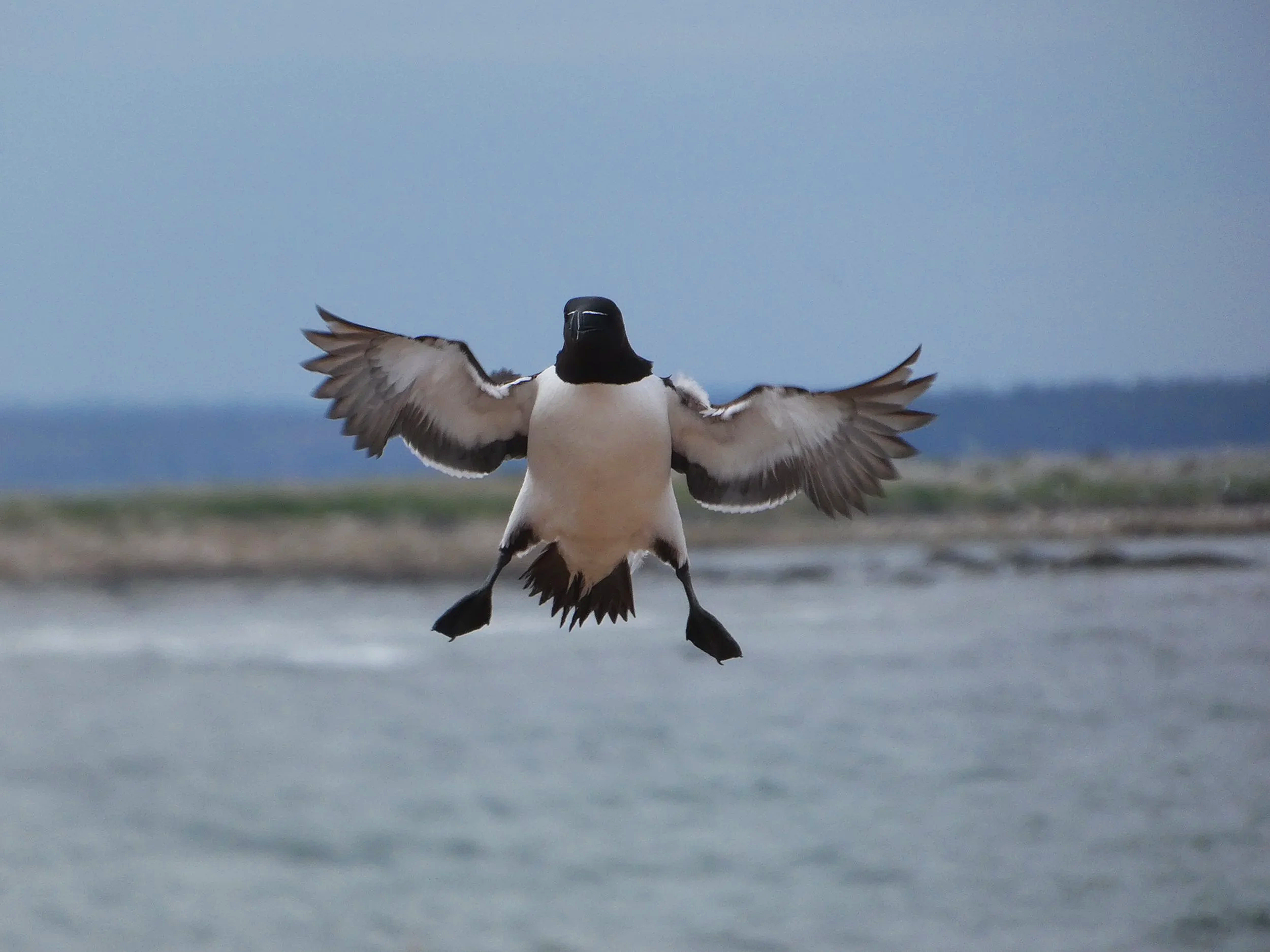
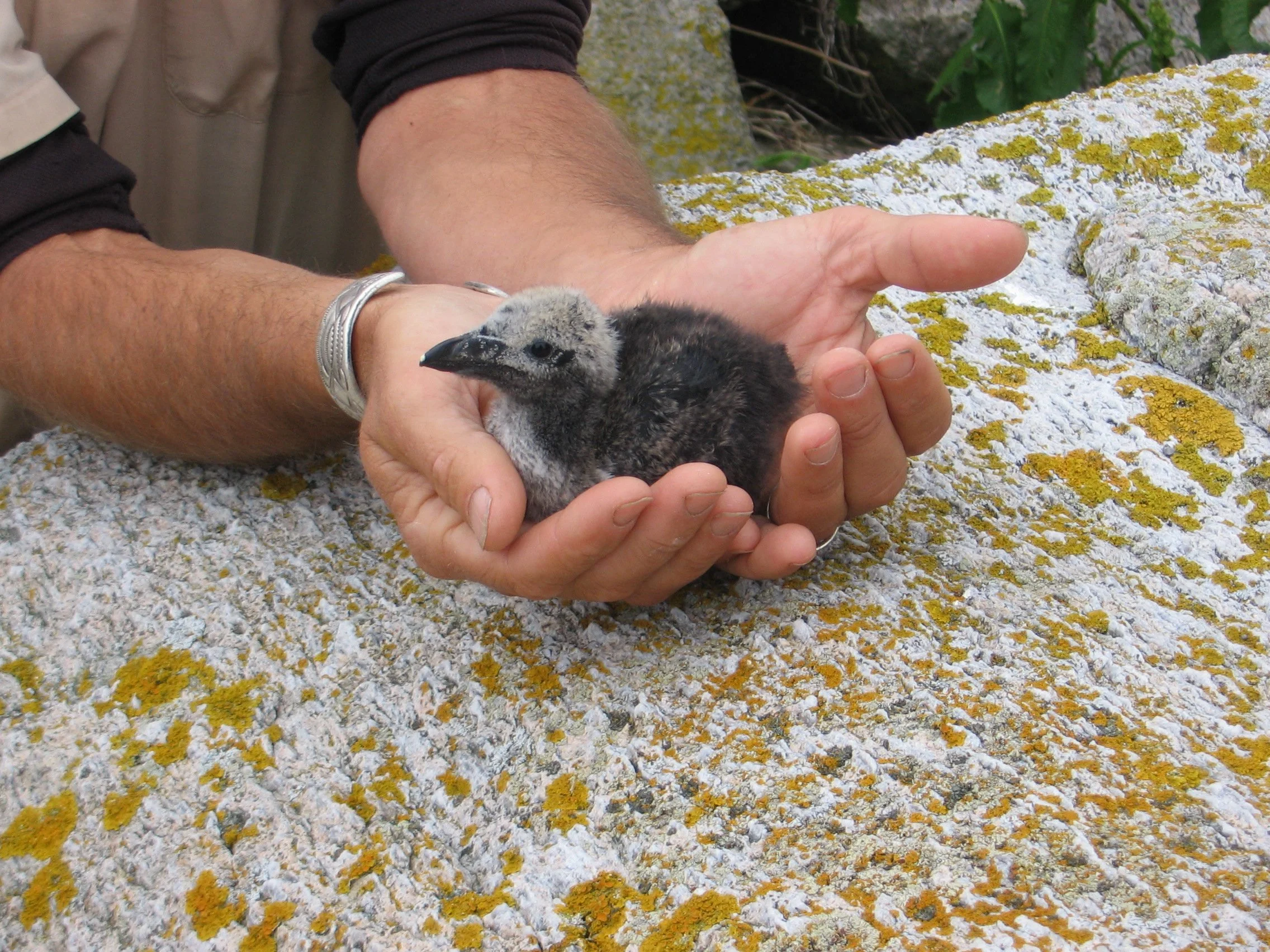
When the time comes for a Razorbill chick to leave the nest, at around 20 days of age, the chicks are still unable to fly. The down-covered chick will bravely leave their burrow and join the male in the water. They continue to live out at sea with the male parent until they can fly and hunt on their own.
Razorbills Can Dive Over 300ft Below the Surface
Razorbills are accomplished divers and can reach depths of 330 feet in pursuit of their prey. They’re typically only submerged for 20 seconds during their hunting but can remain underwater for nearly an entire minute when necessary.
Where Can I See Razorbills in Maine?
If you’re hoping to catch a glimpse of Razorbills in Maine, your best bet is to take a guided boat tour around the islands in the Gulf of Maine.
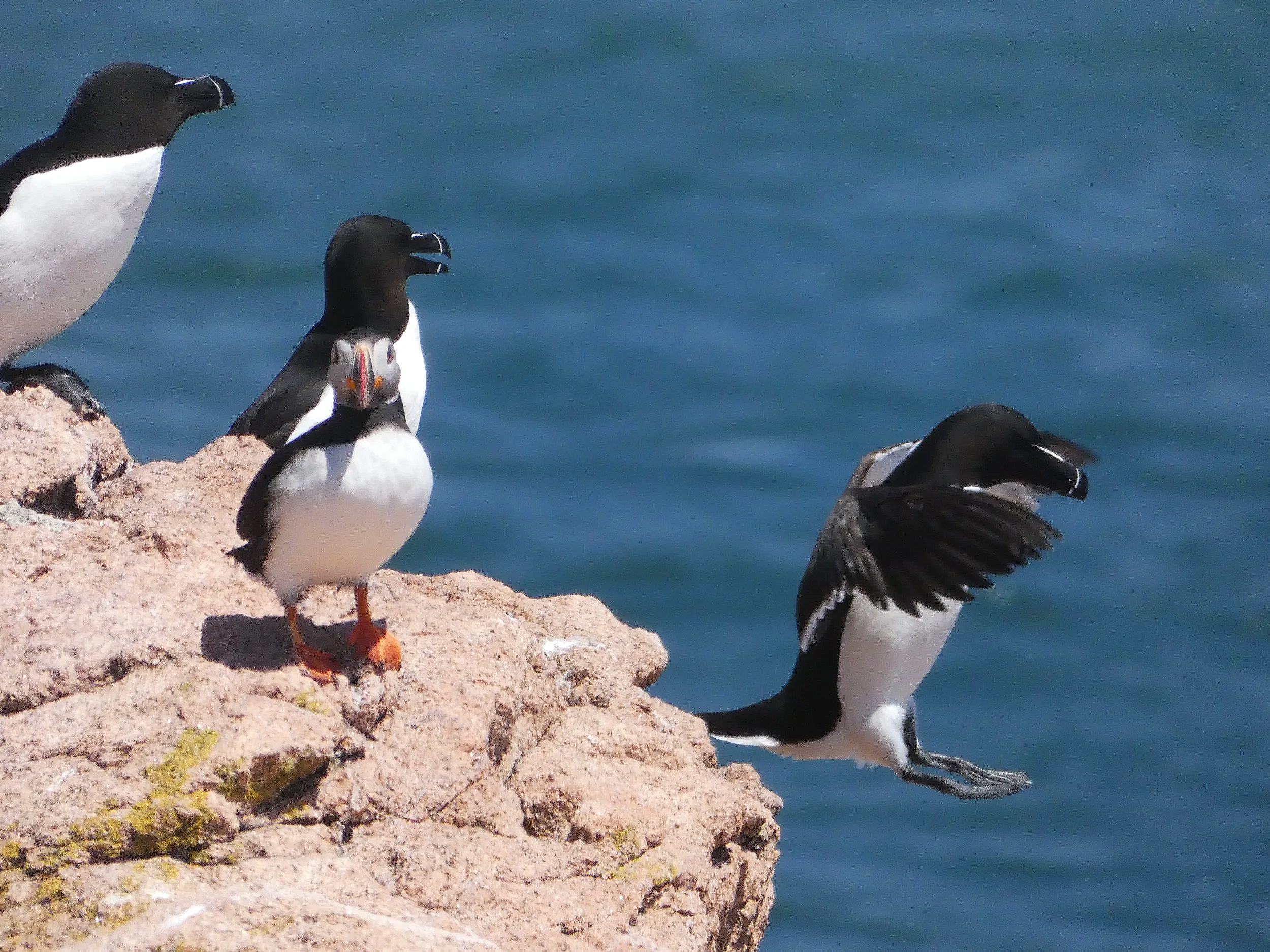
Machias Seal Island is home to one of the largest Razorbill colonies and is a popular destination among many of our highly recommended tour boat operators in the Downeast area. You’ll likely spot several other seabirds during your tour, including Atlantic Puffins and Black Guillemots.
As you continue learning about Razorbills, we hope you’ll be inspired to help us protect these fascinating creatures and their habitats!