
All About Seabirds / Atlantic puffin
Atlantic puffin
Fratercula arctica

The Atlantic Puffin is one of the most beloved birds among children and adults alike. From their small size to their almost clownlike appearance, it’s no wonder these birds are a must-see for bird lovers and tourists.
While their unique appearance is their signature trait, there is much more to puffins than meets the eye.
Puffins Are Impressive Swimmers
Puffins are excellent swimmers, flapping their wings as if they’re flying underwater and using their webbed feet as rudders to catch fish. These little divers can hold their breath underwater for up to 30 seconds and can dive down up to 200 feet in that short period before returning to the surface for air.
Their Bills Change Color Throughout The Year
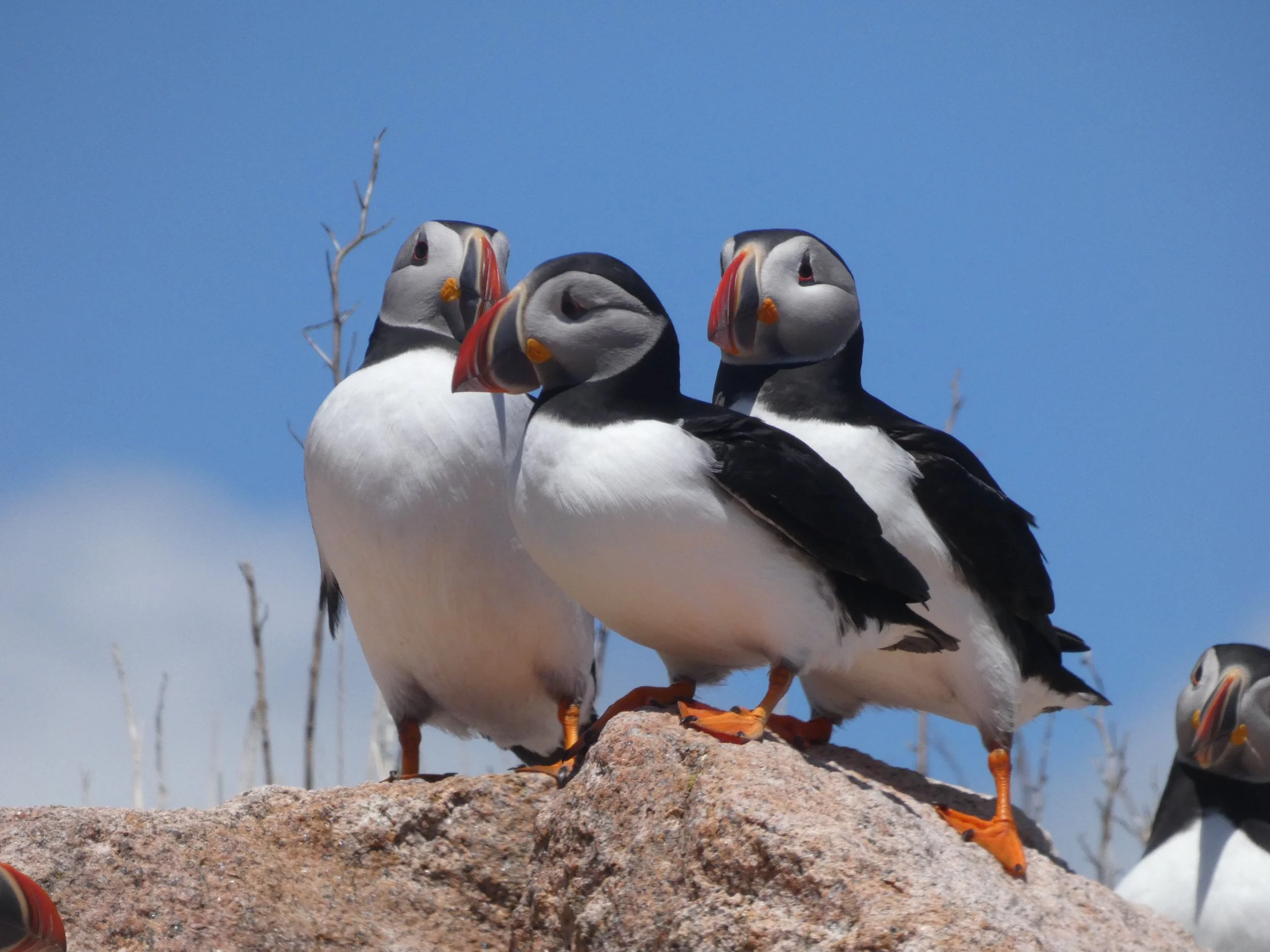
The Atlantic Puffin’s bright orange bill is a well-known identifier of the species. However, you might be surprised to see a dull, grey-looking beak if you spot these little birds during the winter. Their signature vibrant orange beak and matching feet only appear in the spring during their mating season. Once the season is over, they shed their outer bills until the following year.
They Rarely Change Mates
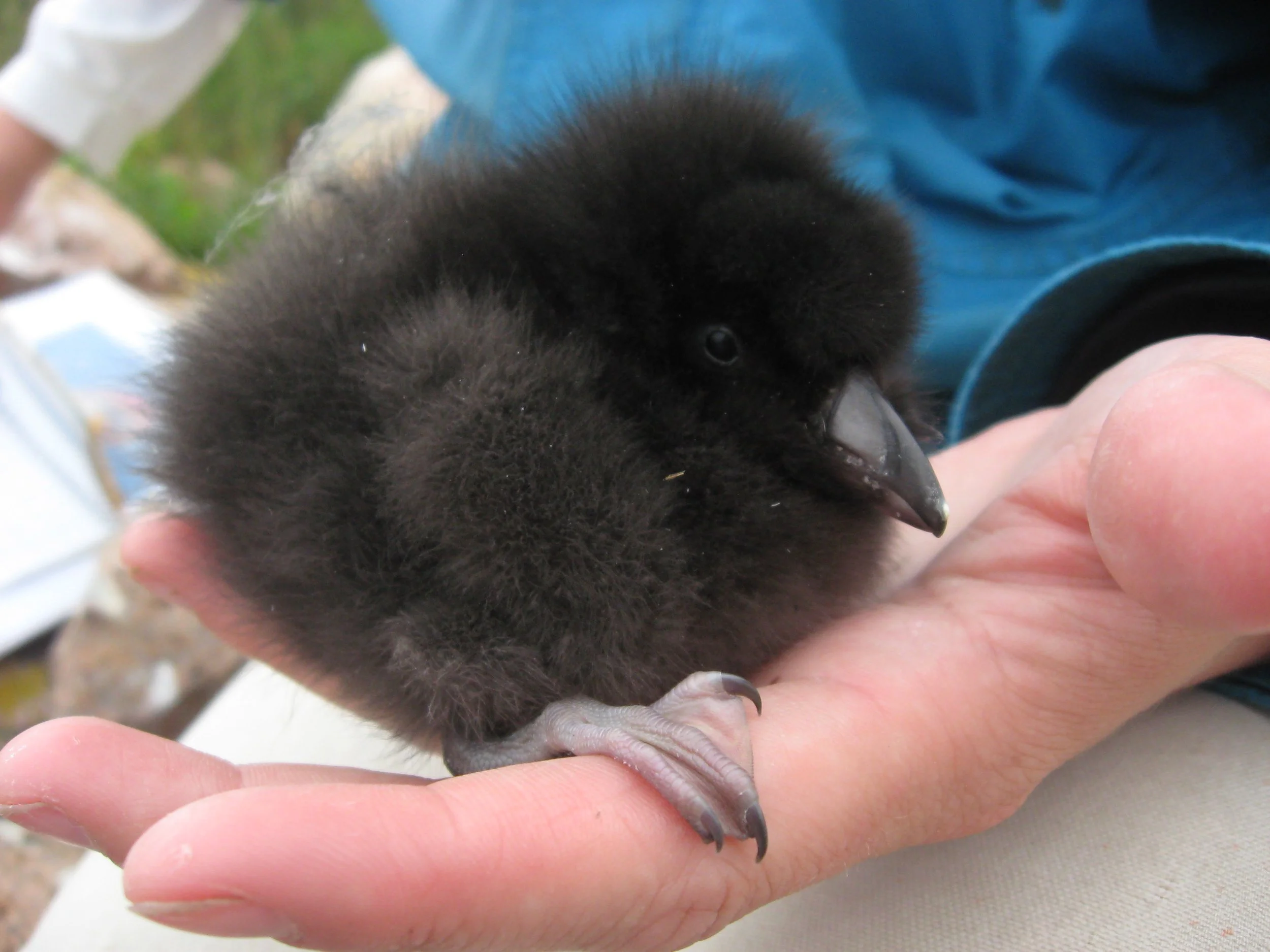
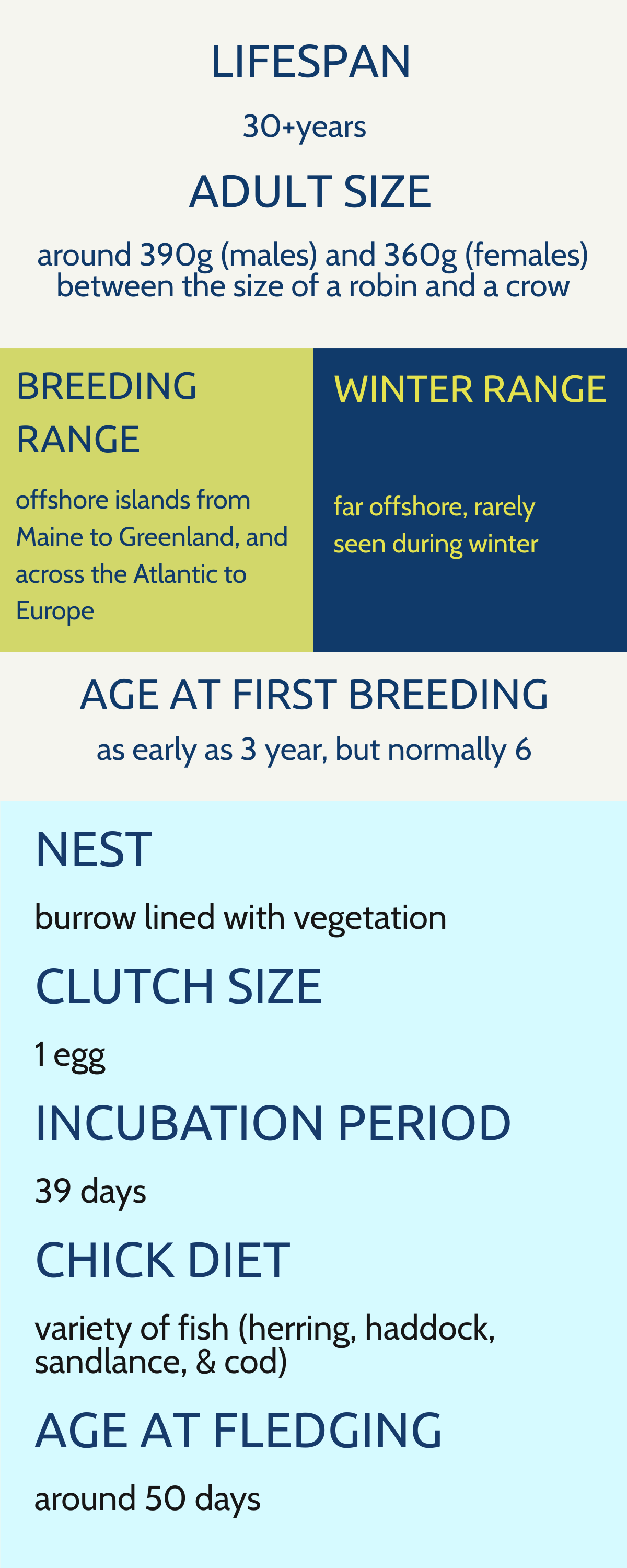
While puffins don’t mate for life like their penguin lookalikes, they are often monogamous with the same partner over their lifetime, sometimes 20 years! Every year, puffins return to the same nesting area and will recouple with their mate. The female lays a single egg, and both parents take turns incubating it and raising their puffling over the summer.
Over Half of The Puffin Population Breeds in Iceland
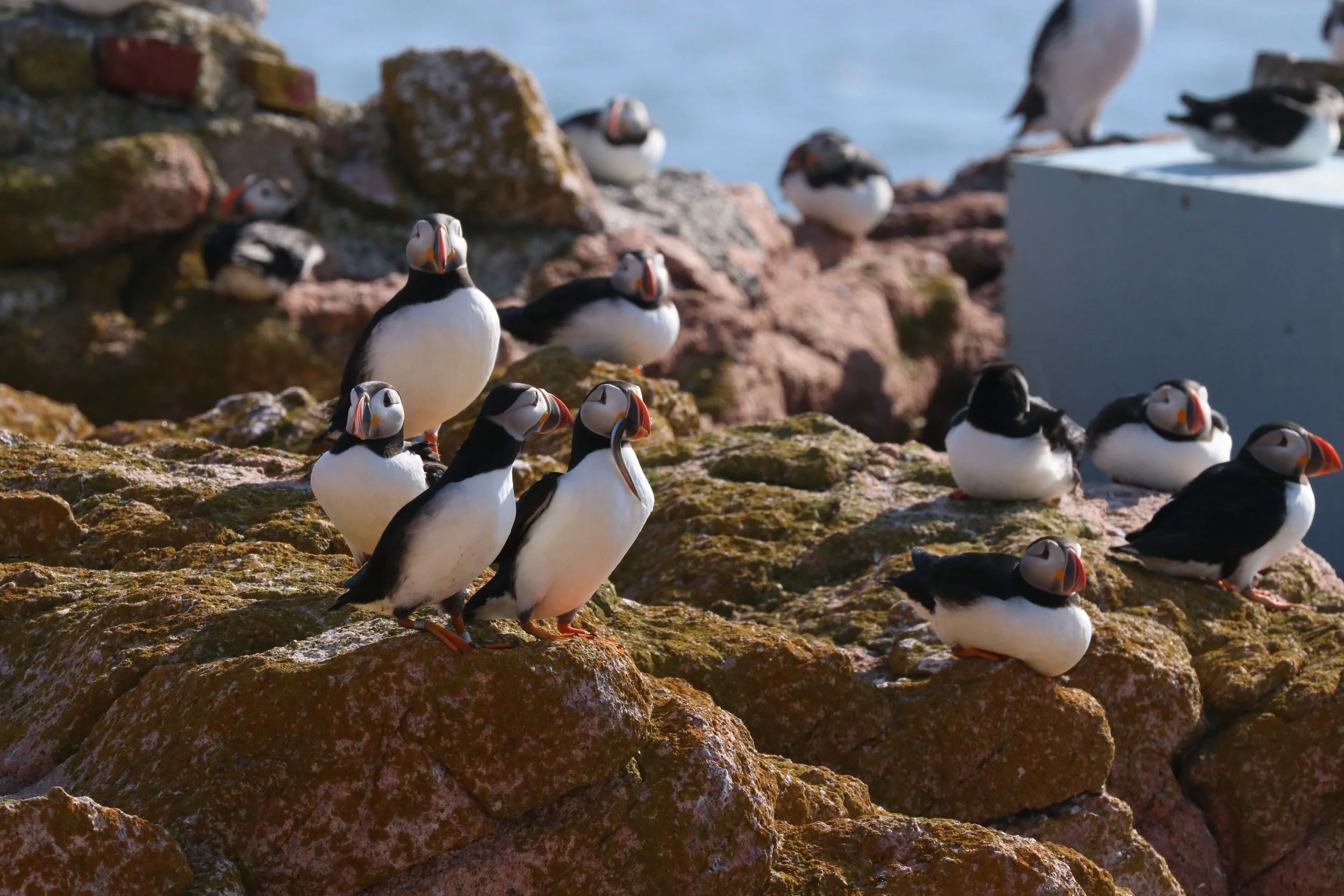
Iceland is the chosen breeding ground for 60% of the world’s puffin population. The rest can be found among the rocky shores along the North Atlantic Ocean including areas of Greenland, eastern Canada, and as far south as Maine. The rocky Maine coast is home to nearly 1500 breeding puffin pairs, with Machias Seal Island being among the best locations in Maine for seabird observation.
Puffins Have Specialized Beaks to Help Them Fish
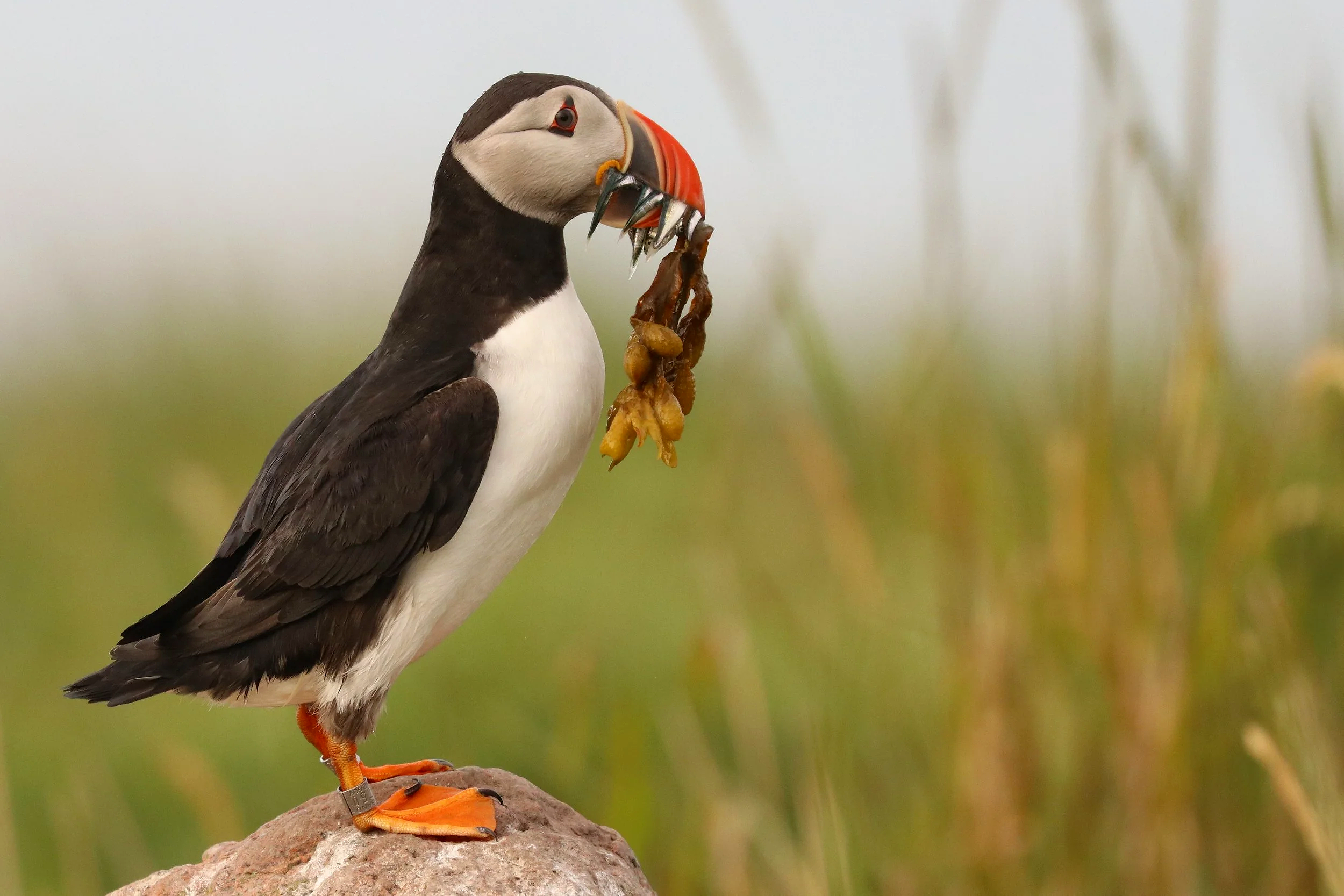
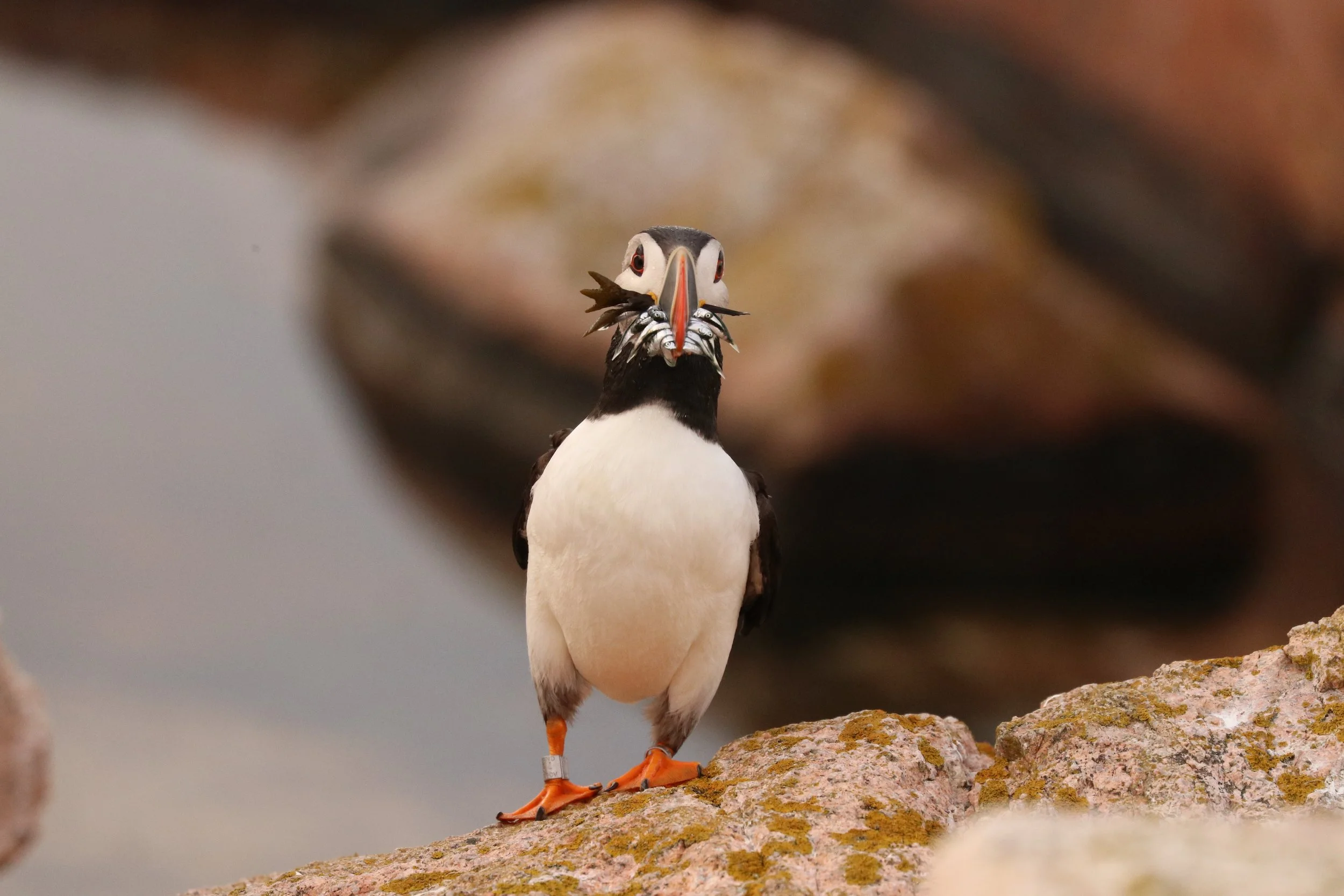
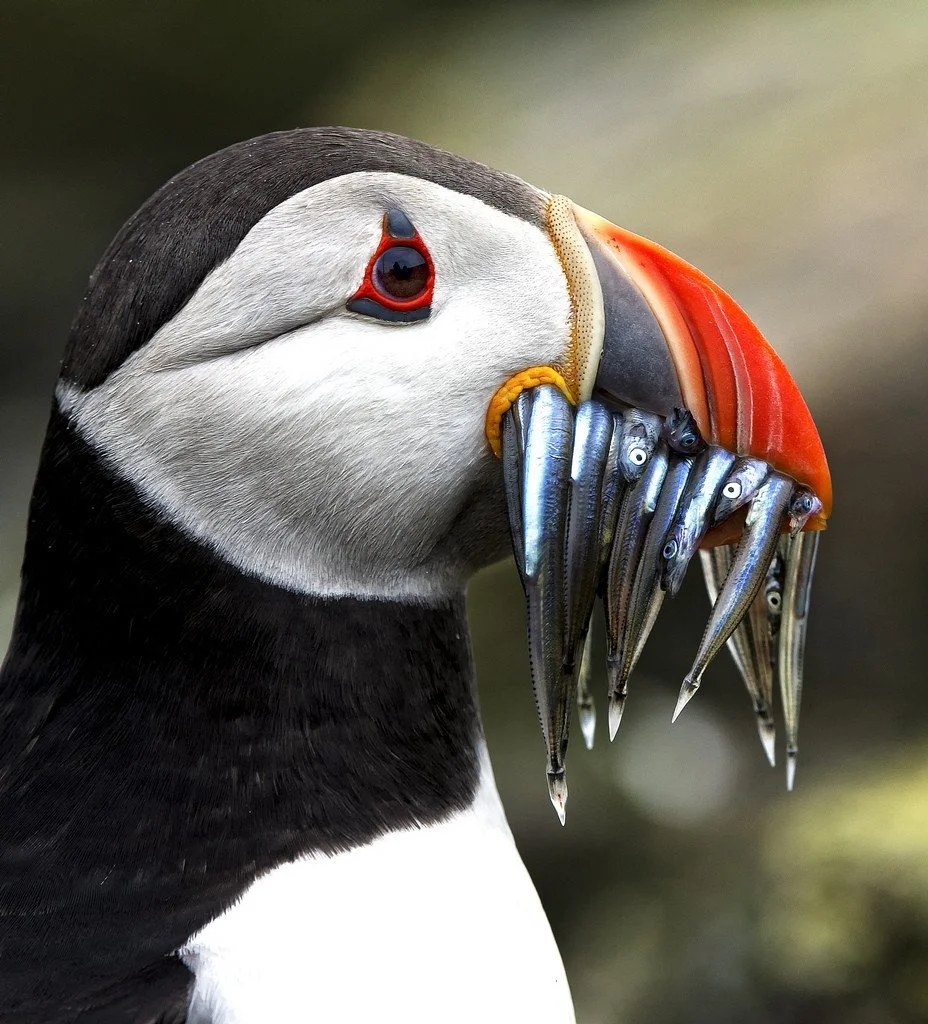
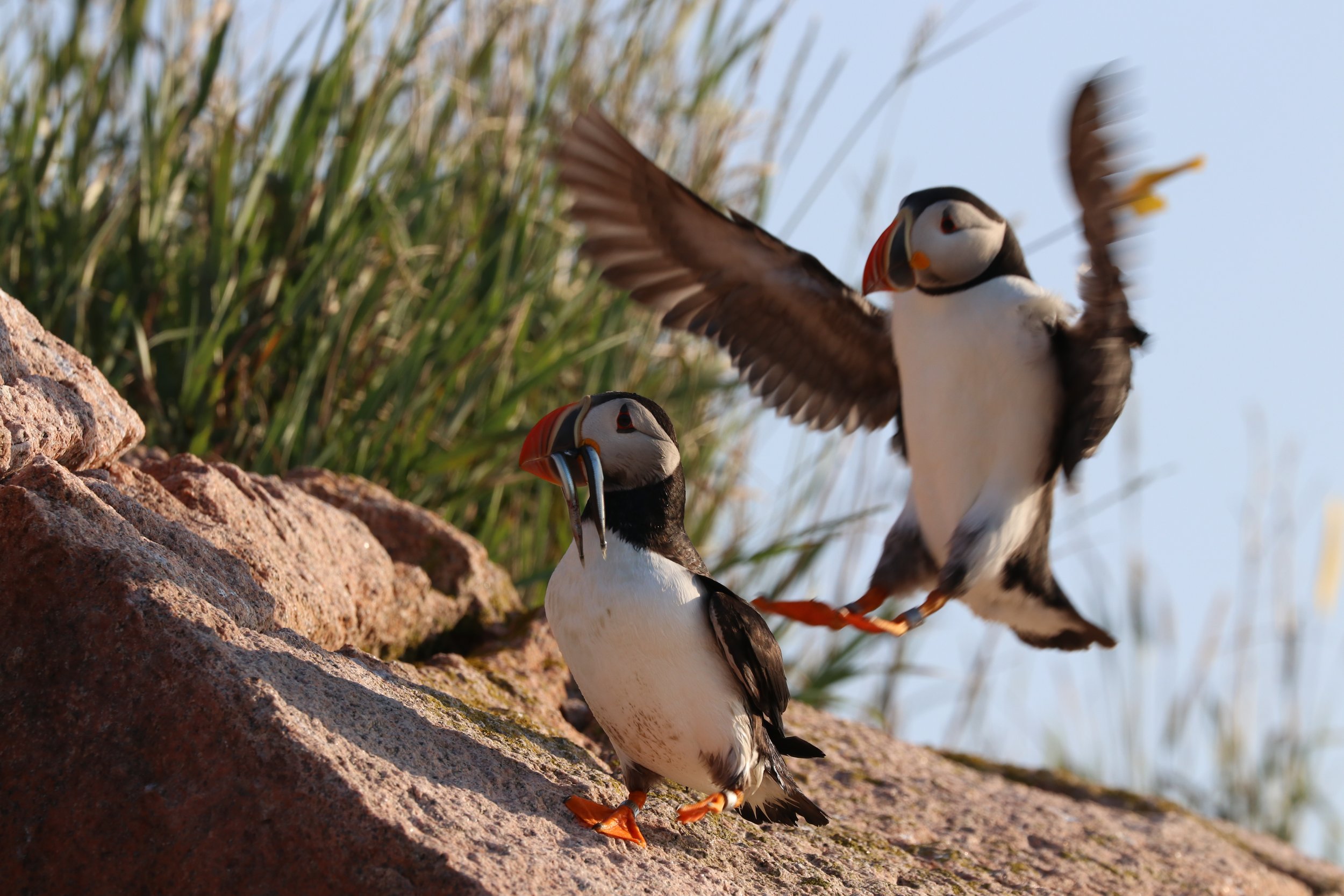
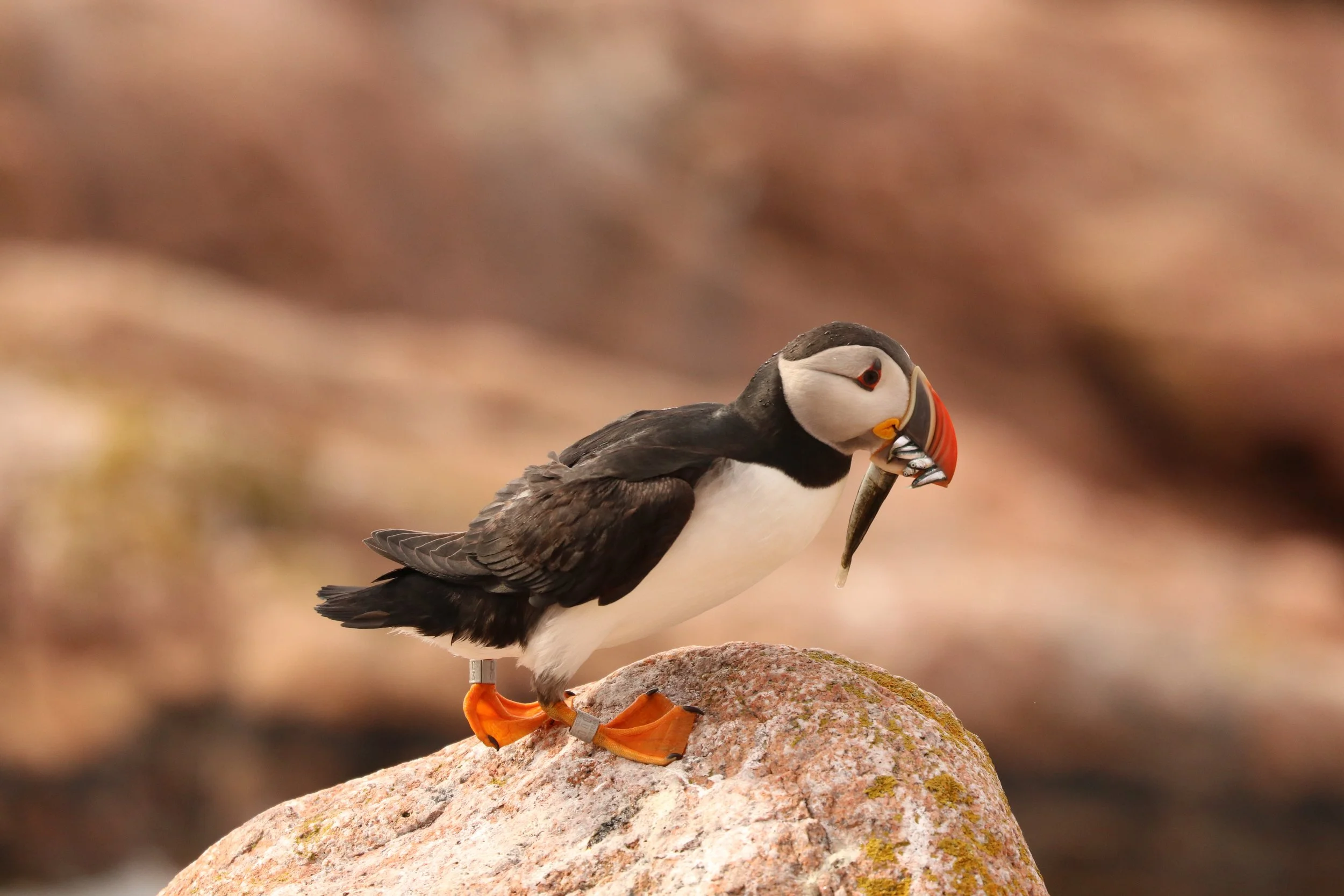
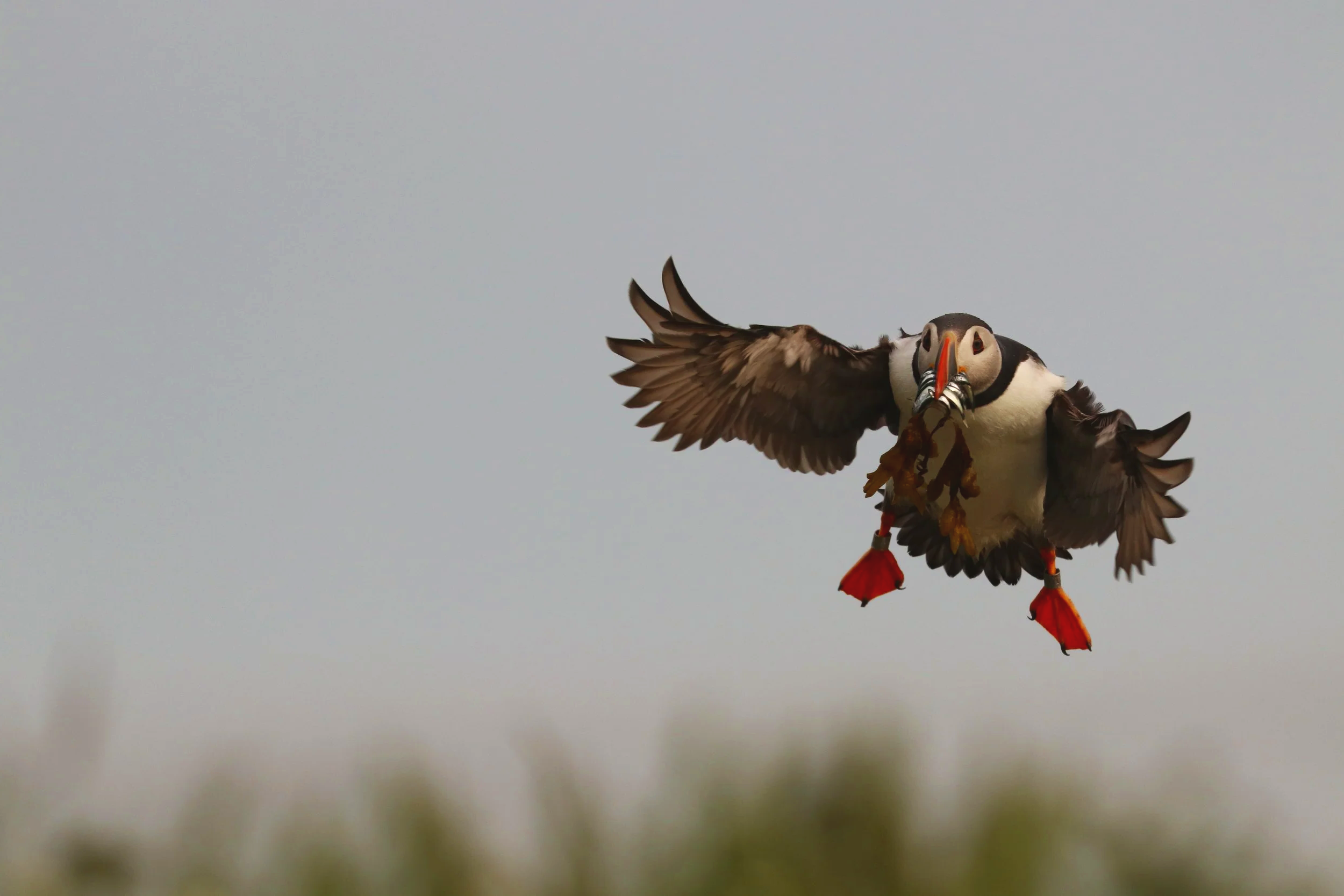
Puffins may only weigh in around 1lb, but these little carnivorous seabirds need to eat about 40 small fish per day to stay healthy. They also need to feed their young pufflings, who rely entirely on their parents for food. To help them catch fish, puffins have unique barbs on their pallet called denticles that help keep the fish in place while they continue to hunt for more. They use their spiny tongues to pierce the fish against their denticles, making it possible to bring back an average of 10 fish per trip. One impressive puffin was spotted in Britain, flying with 62 fish in its bill at once!
Where Can I See Puffins in Maine?
If you’re hoping to catch a glimpse of Atlantic Puffins in Maine, your best bet is to take a guided boat tour around the islands in the Gulf of Maine.
Machias Seal Island is home to one of the largest puffin colonies and is a popular destination among many of our highly recommended tour boat operators in the Downeast area. You’ll likely spot several other seabirds during your tour, including Razorbills and Black Guillemots.
As you continue learning about Atlantic Puffins, we hope you’ll be inspired to help us protect these fascinating creatures and their habitats!
Seabird Nesting Webcam
Check out Maine nesting birds right from your home from webcams on Seal Island. See puffins and in their burrows throughout the nesting season. Check out the puffin loafing ledge and the exterior view of the puffin burrow for other seabird activity.