Summer Interns
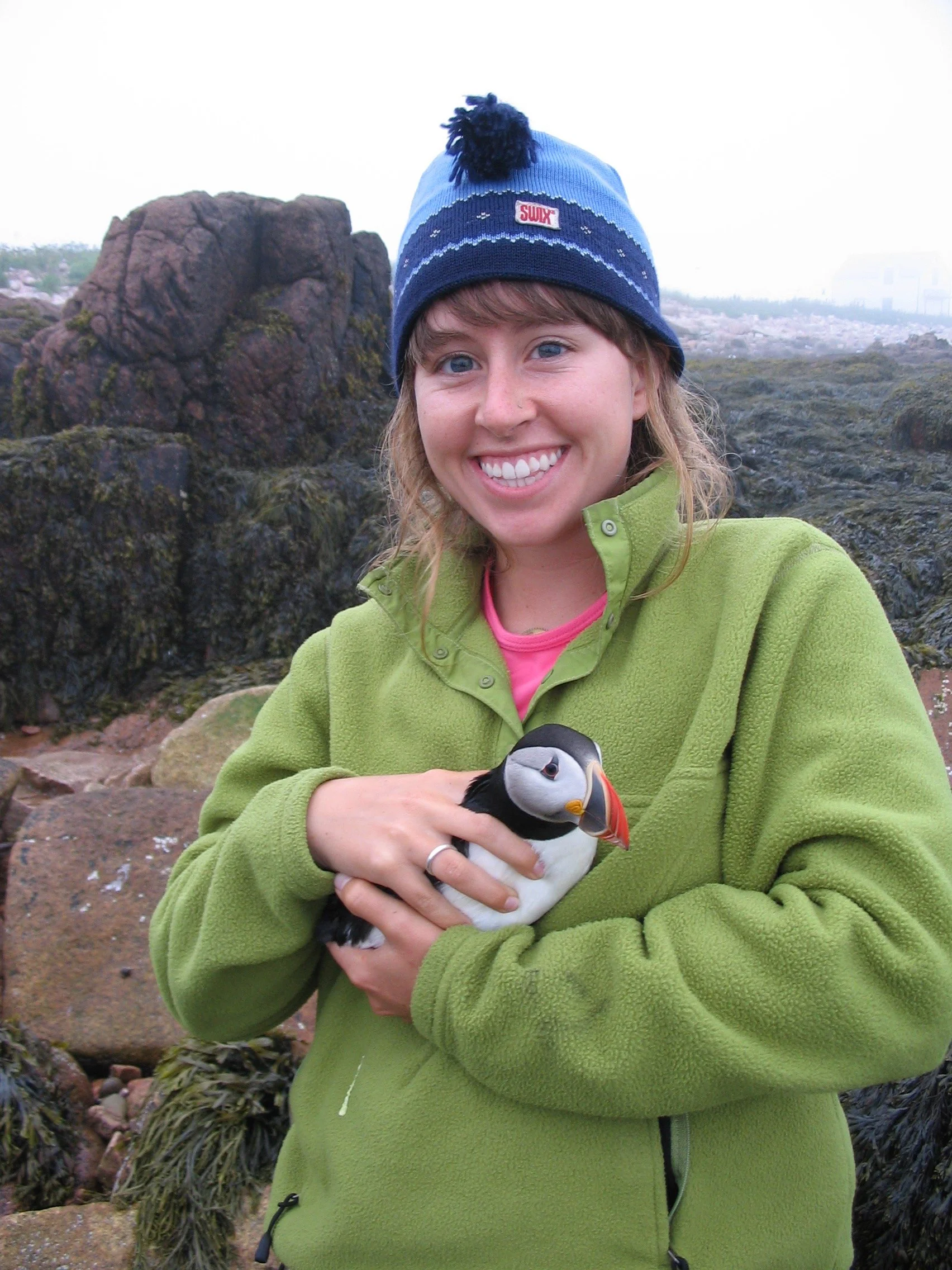
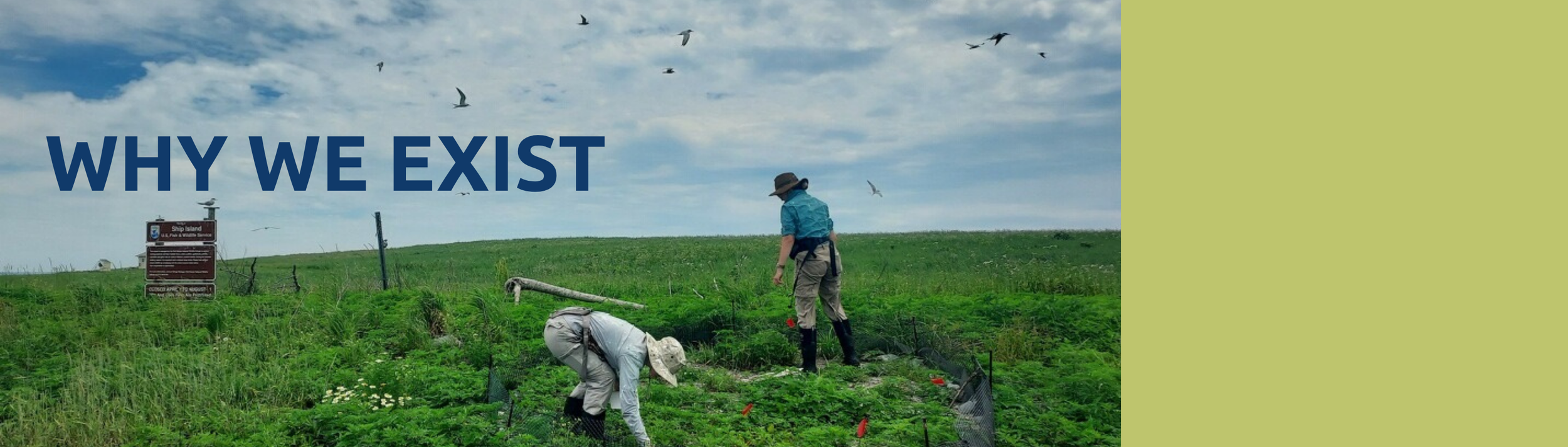
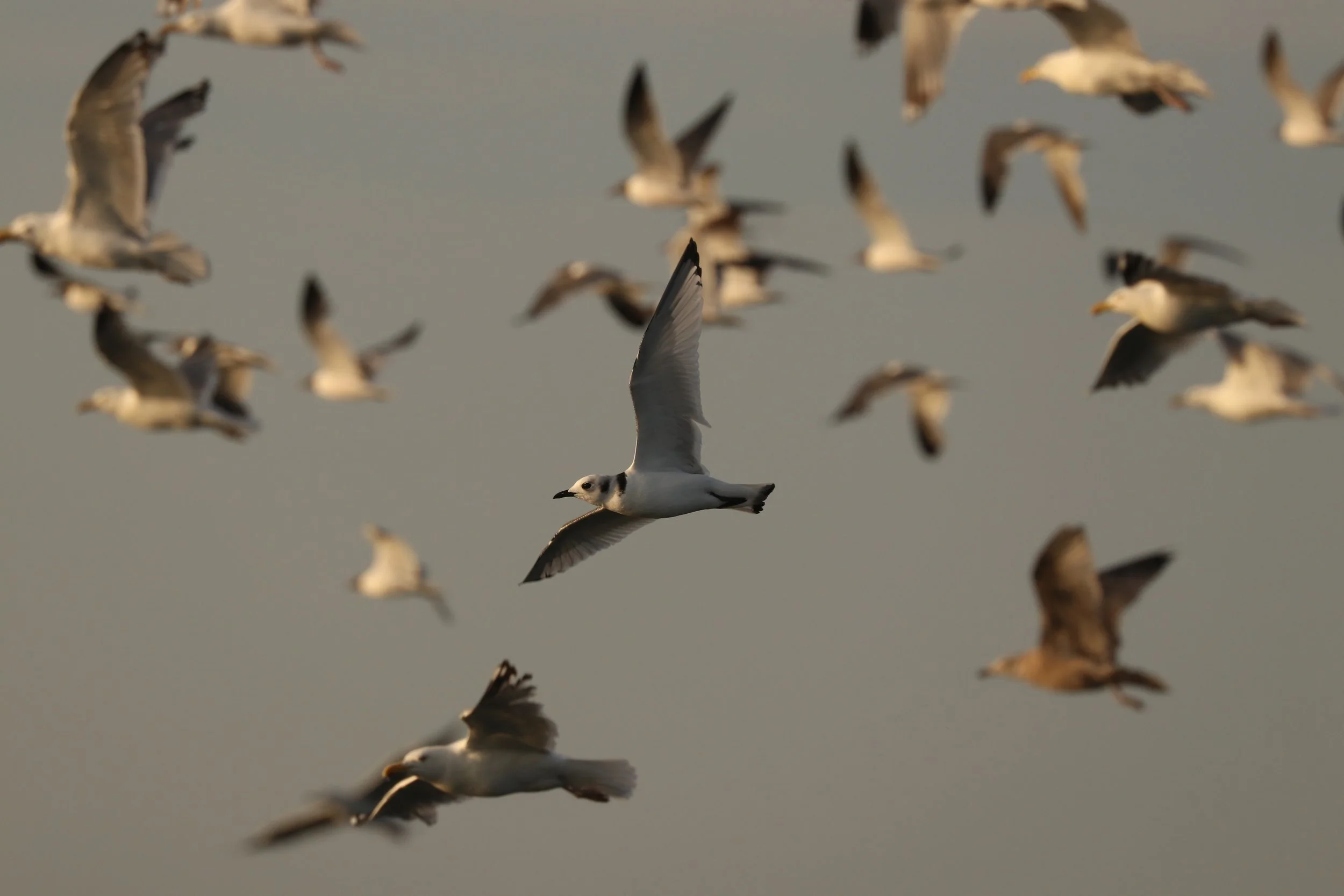
Restoration work by the Maine Coastal Islands National Wildlife Refuge and conservation partners has proven highly successful on the seabird colony islands. However, the continued survival of these seabirds requires maintenance of predator-free nesting areas within the Refuge. Seasonal interns on these islands are essential in protecting the nesting birds; without their presence, predators quickly recolonize the islands and drive the seabirds away.
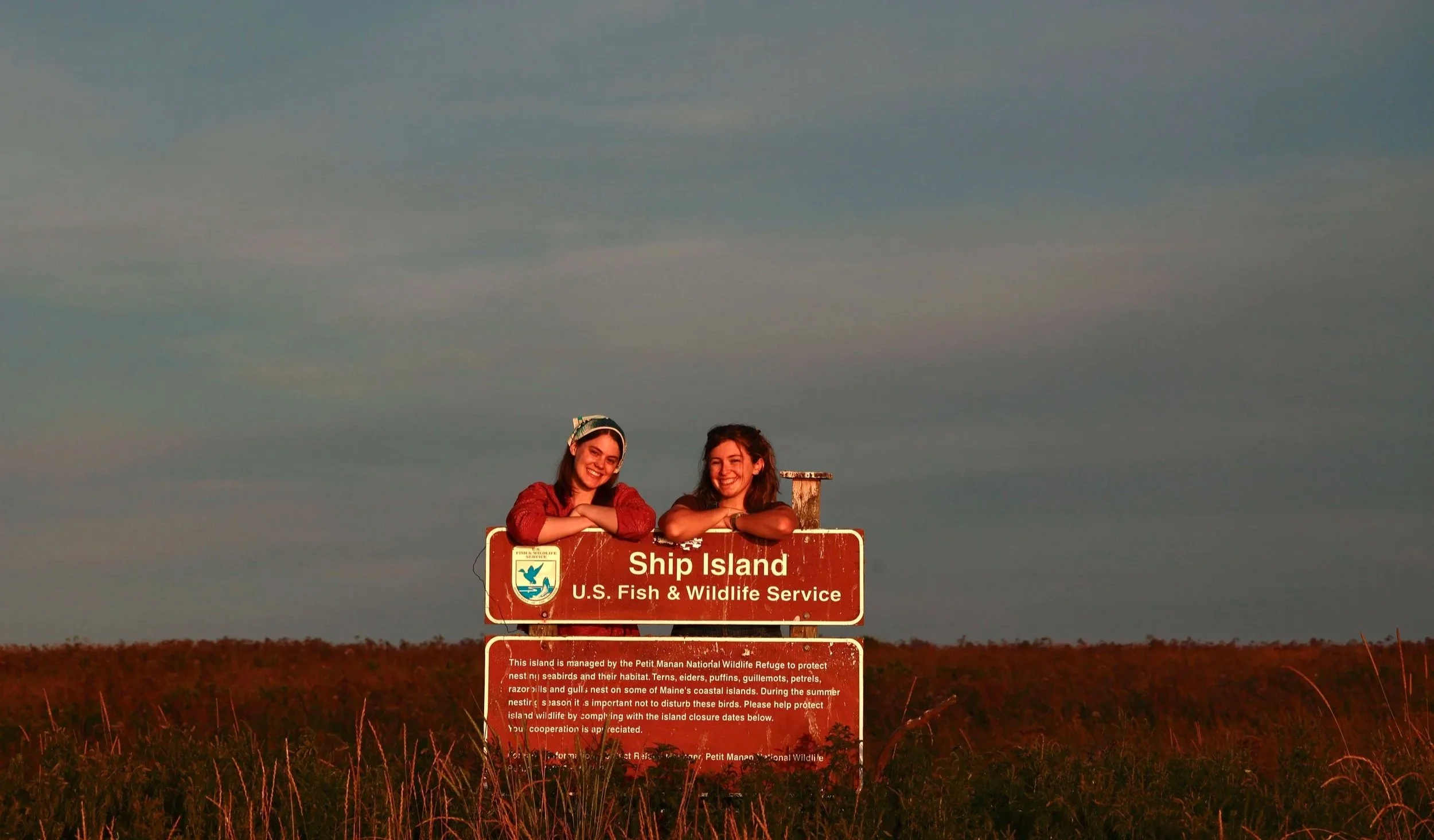
FOMCI supports interns on three islands: Metinic, Petit Manan, and Ship.
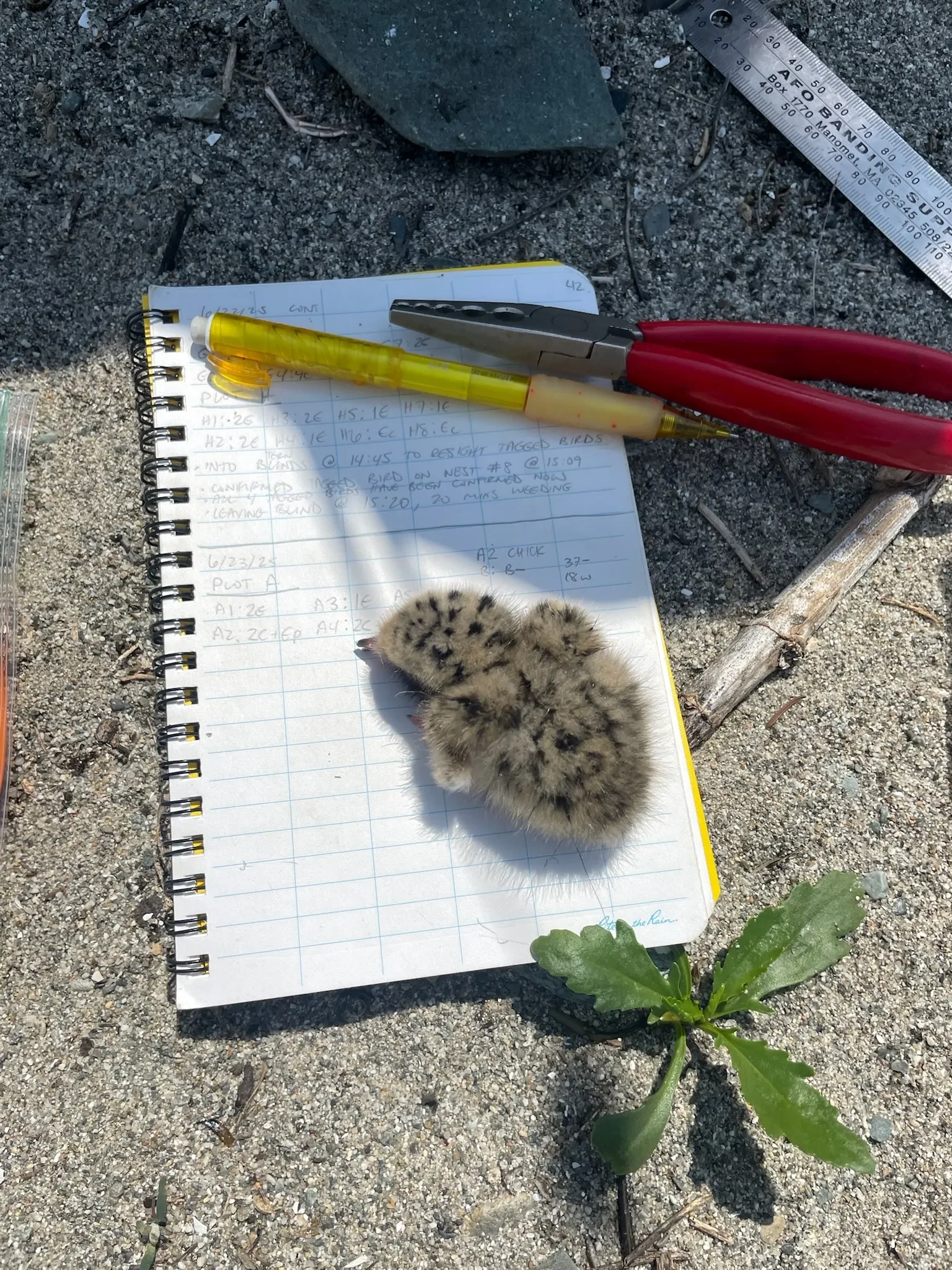
The primary objectives of the interns’ work with seabird colonies are:
1) Increase seabird productivity rates (number of young produced)
2) Collect data on how many seabirds are nesting, their diet, and how many young are produced
Roles of the Interns
Because predators can cause complete colony abandonment or limit productivity through predation on eggs, chicks, and adult seabirds, all interns are trained by Refuge biologists before living on the seabird islands for 12 to 14 weeks during the nesting season, which runs from May through August.
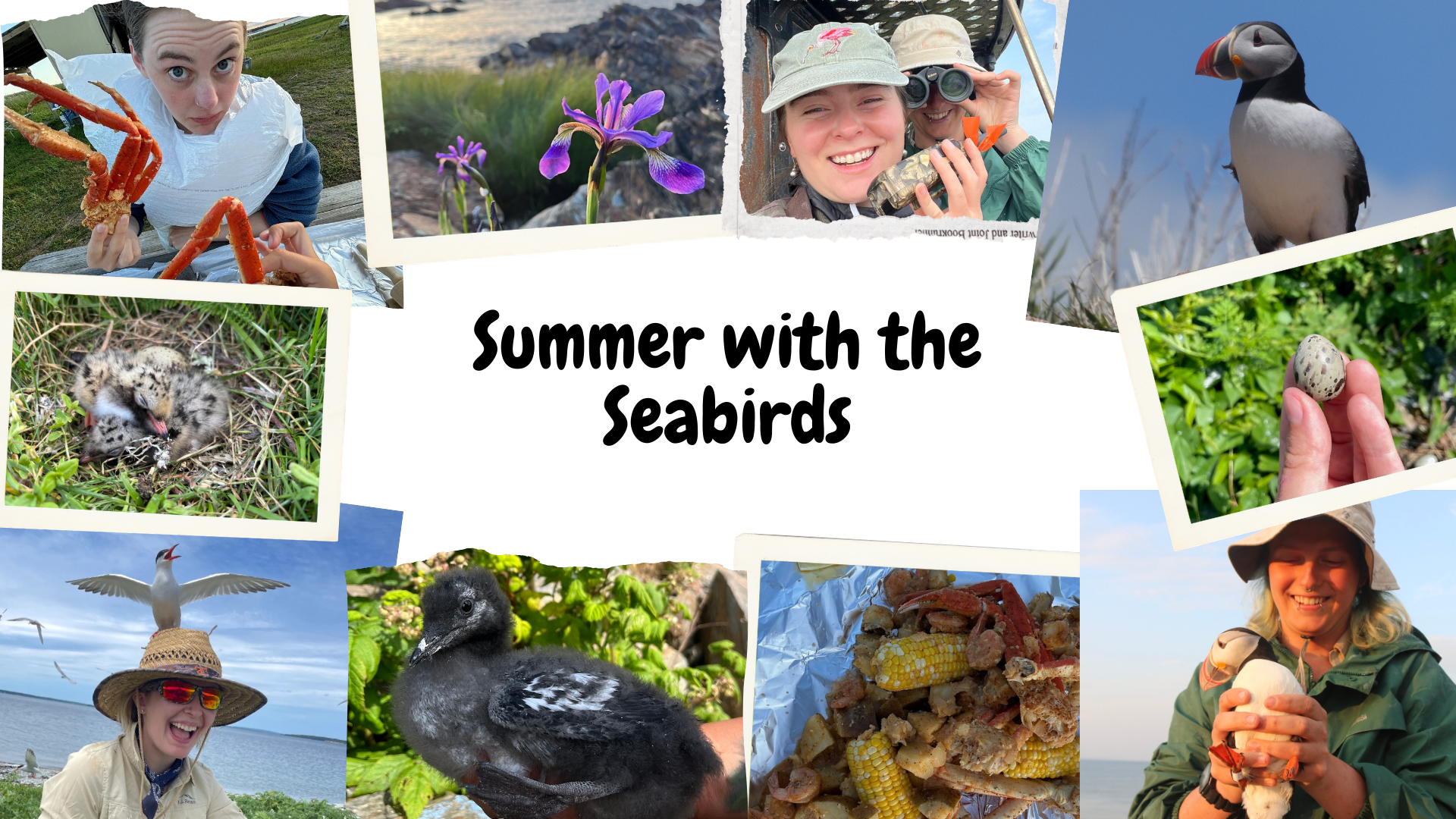
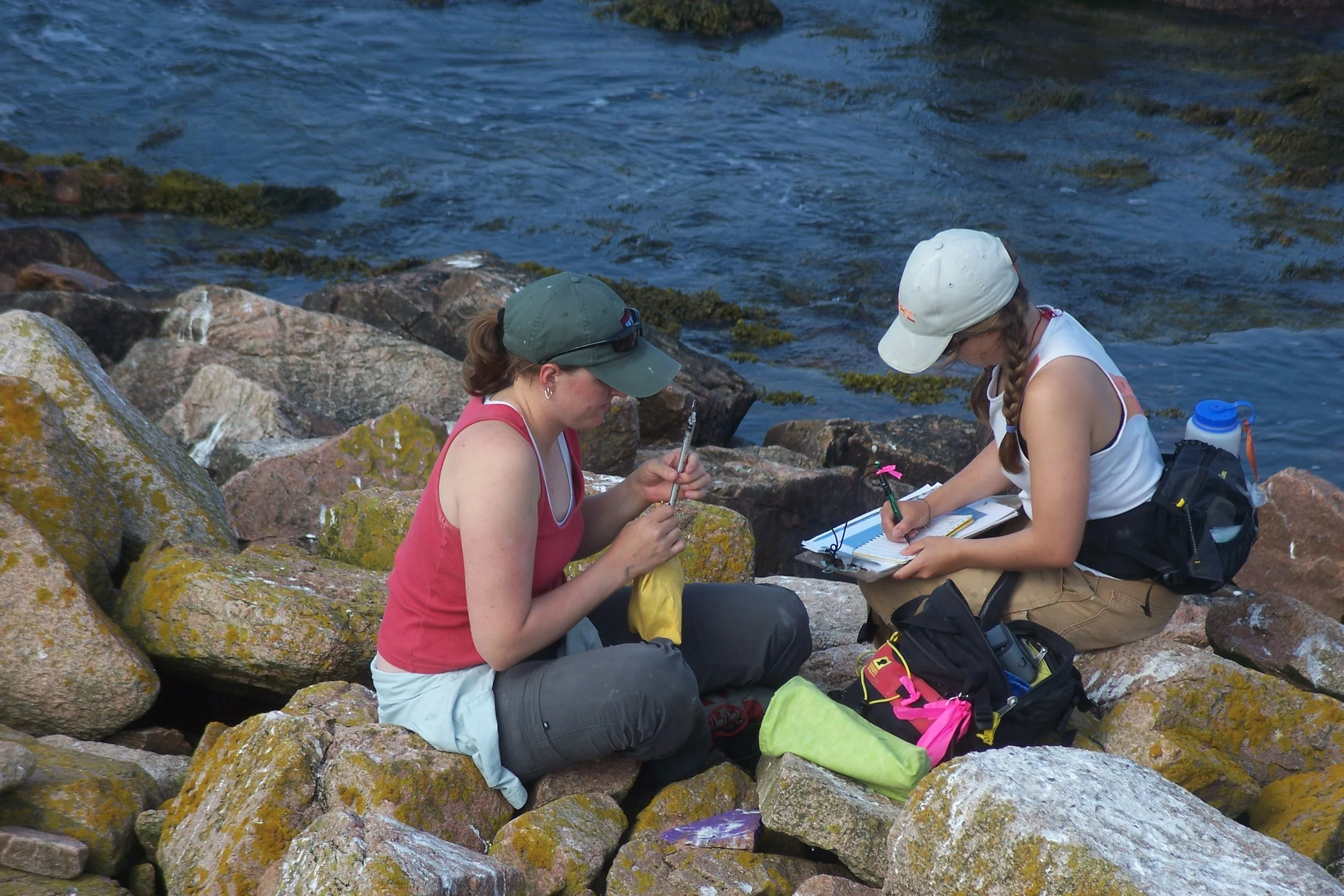
While on the islands, interns…
Determine how many seabird pairs are nesting
Control predators
Monitor seabird productivity
Monitor diet
Manage habitat
Capture and band adult seabirds, and band chicks
Control invasive plants
Assist with Refuge research projects, including GPS tracking of seabirds
Compile reports
Researchers have determined that the Gulf of Maine is particularly vulnerable to climate change, warming faster than 99.9% of the worlds’ oceans. This increase in temperature has decreased ocean productivity and altered the distribution and abundance of forage fish that seabirds depend upon.
In 2021, temperatures in the Gulf of Maine were elevated significantly in early summer. On some of the MCINWR Islands, 90% of the seabird chicks died from lack of food. Adding to the challenges of protecting threatened seabird populations is the current state of the federal budget, which has led to severe cuts in funding for branches of the government like the National Wildlife Refuges.
The summer interns play a critical role in protecting these seabird colonies.
Watch these videos to
Learn more
We Need your
support.
Every donation counts. Help us to make a difference in the fight for a healthy and biologically diverse world!